

Protein First? What I Found When I Looked Properly
There are a lot of misleading ideas circulating about meal order at the moment. Some of them are half true, which is the most confusing kind — enough real science in there to sound convincing, wrapped around something that isn't quite right.
The one I kept bumping into goes like this: protein produces the lowest insulin response of any food group, so eating it first keeps your blood sugar flat and keeps your body out of "storage mode."
Something about it nagged at me, so I went and looked properly. Not at the Instagram version — at the actual studies underneath. Here's what I came away with, in plain language.
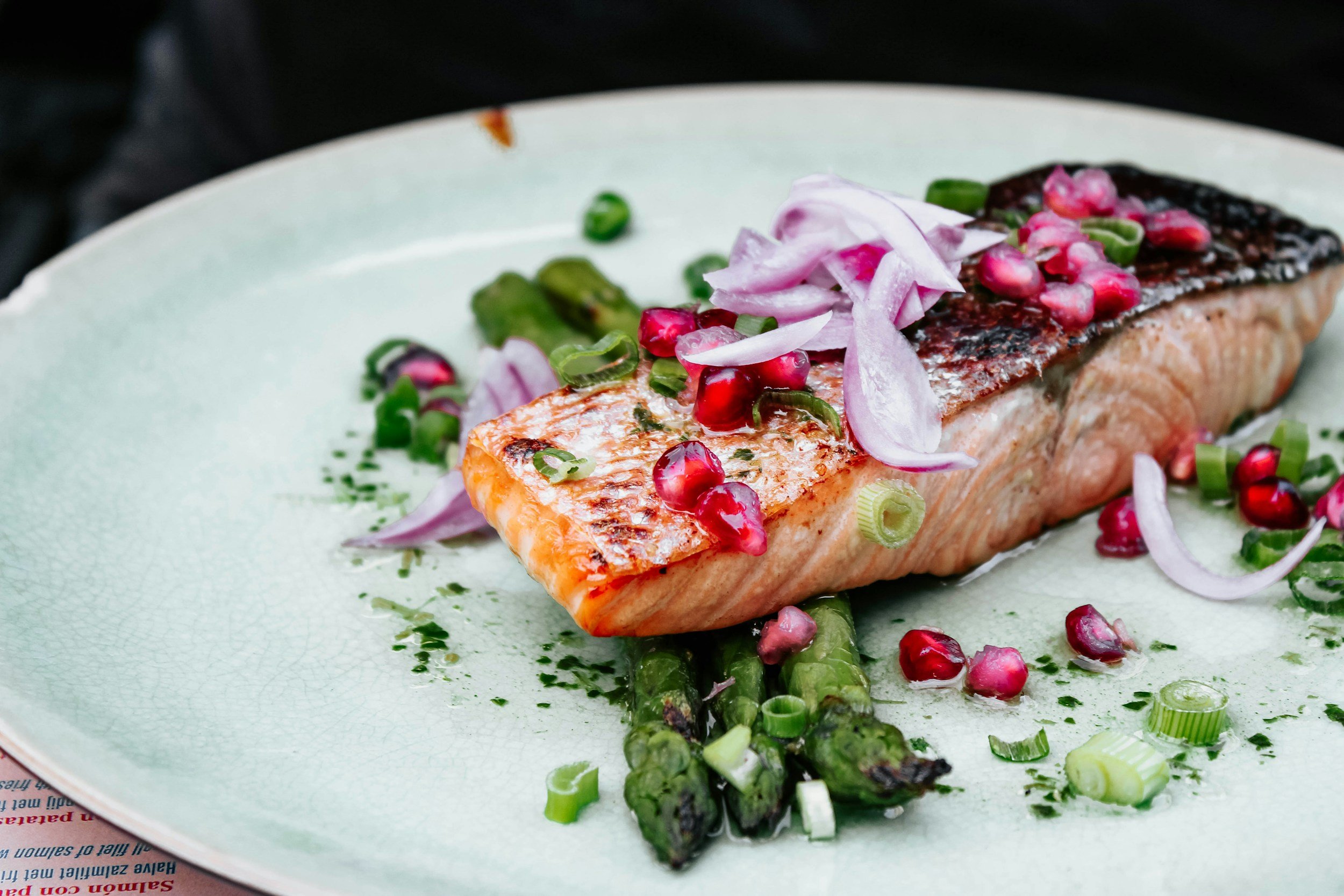
Protein isn’t the lowest-insulin macronutrient. Fat generally produces a smaller immediate insulin response when eaten on its own.
That matters because blood glucose tells only part of the story. Protein can stimulate insulin even when it causes very little rise in glucose. A steak may barely move the glucose curve, while still prompting the pancreas to release insulin, and glucagon, too.
Whey is a particularly insulin-stimulating protein. It can reduce the glucose rise when eaten with carbohydrate while increasing the insulin response.
In some studies, combining protein with carbohydrate has produced around twice, or sometimes more than twice, the insulin response of carbohydrate alone. The size of that effect varies with the protein, dose and person.
So protein isn’t insulin-free or insulin-neutral. It is highly nutritious, and its effect on insulin is a normal part of how the body handles a meal.
The important point is simply this: a flat glucose curve doesn’t necessarily mean a flat insulin curve.
Eating protein before the carbohydrate-rich part of a meal can flatten the glucose rise that follows. The evidence is particularly strong for whey protein in people with prediabetes or type 2 diabetes.
In one trial, a small whey-and-fibre starter—around 80 calories—was taken 15 minutes before breakfast. It lowered the glucose peak 45 minutes later and reduced average glucose over the following three hours. In a separate 12-week trial, taking a similar drink before two meals each day continued to reduce post-meal glucose, although the improvement in HbA1c was modest.
But look at why it can work.
With whey protein, the body may begin releasing insulin and incretin hormones before the carbohydrate arrives. Gastric emptying or intestinal glucose absorption may also slow, allowing glucose to enter the bloodstream more gradually. The precise balance of these effects depends on the preload, meal and person.
That is worth reading twice, because it complicates the popular story. With whey preloads, the curve can be flatter partly because insulin arrived earlier, not because it stayed away.
I find that reassuring. Your body isn’t being outsmarted. It’s being given a little advance notice.
So, vegetables first, or protein first?
This was my real question, and I expected a clear winner.
There isn't one, not from the evidence we currently have. And that turns out to be the more useful answer.
In one small study, 15 people with prediabetes ate the same meal on three different days. They ate carbohydrate first, protein and vegetables first, or vegetables first followed by protein and carbohydrate.
Both patterns that avoided starting with carbohydrate reduced the glucose peak by more than 40%, with similar results. But the study did not test vegetables alone against protein alone, so it cannot tell us that one works better, or that they are perfectly equivalent.
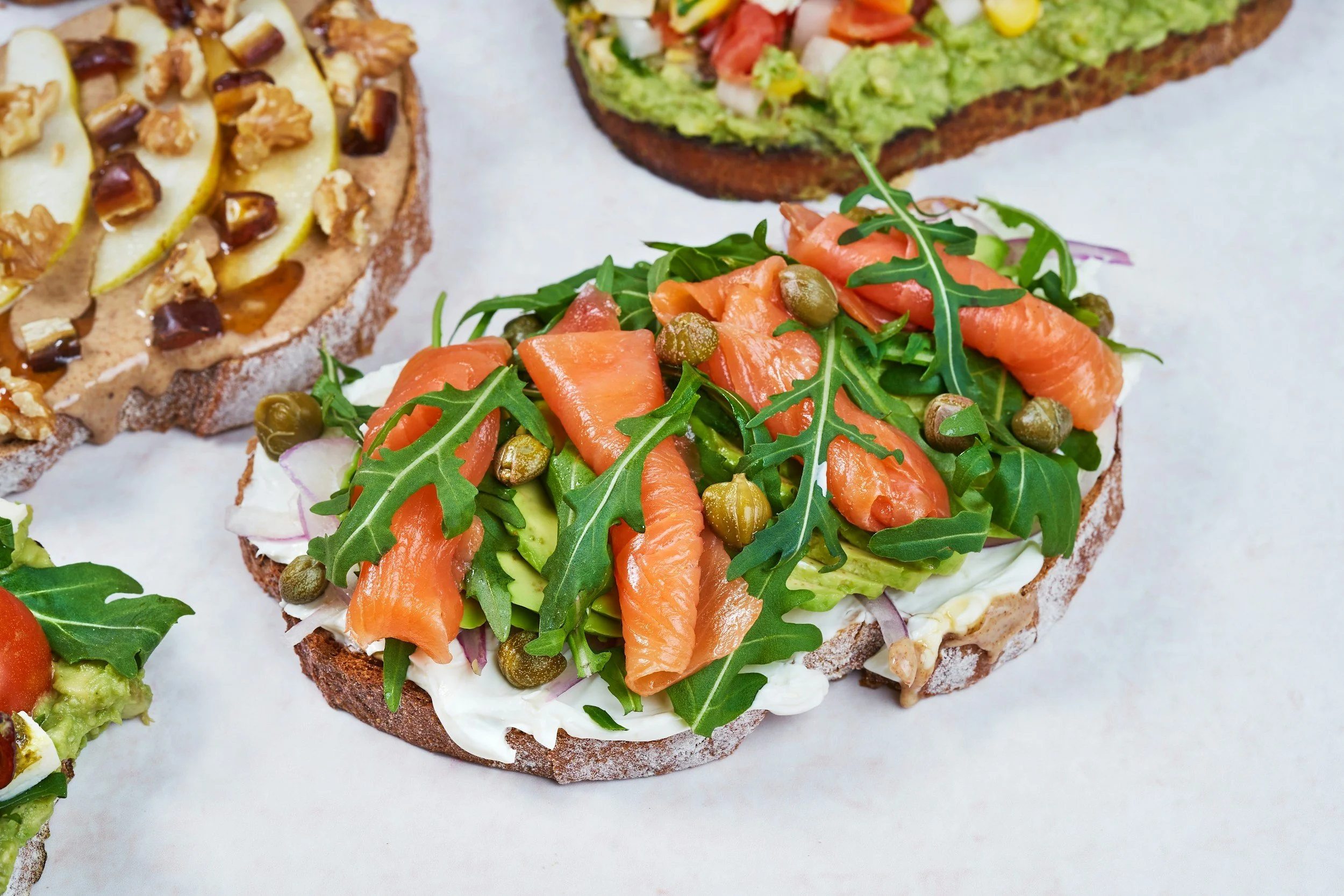
If you want to experiment with meal order, simply try to avoid leading with the carbohydrate-rich part of the meal.
My own habit, and this is preference rather than proof, is to begin with greens or salad, move on to the protein and leave the bread or potato until later. Not because the sequence is magic, but because I often feel less interested in the bread by the time I reach it. Satiety may be part of the practical benefit, alongside the physiological effects.
Protein at breakfast, not only at dinner
Many people eat relatively little protein in the morning and much more in the evening. Breakfast is often toast, cereal or a pastry with coffee. That pattern may be worth questioning.
A protein-rich breakfast can produce a gentler glucose rise than a carbohydrate-rich breakfast, particularly when protein replaces some of the carbohydrate rather than simply being added on top.
There is also some evidence of a “second-meal effect.” In one study, a higher-protein breakfast improved the glucose response to carbohydrate eaten four hours later. Other trials have not found the same improvement at lunch, so this is promising rather than settled.
Appetite may shift too. Some studies find that protein-rich breakfasts leave people fuller and eating slightly less at their next meal; others find little or no difference. The effect appears to depend on the food, protein dose, population and what the breakfast is being compared with.
Eggs, yoghurt, leftover fish, tofu or shakshuka can all make breakfast more substantial. The point isn’t that everyone must eat breakfast, or eat steak at seven in the morning. It is simply worth noticing whether a breakfast built around protein works better for you than one dominated by refined carbohydrate.
I also want to be clear about the limits. In one 12-week trial involving young women with overweight, high- and low-protein breakfasts produced no difference in body composition. The higher-protein breakfast increased reported satiety, but it did not guarantee weight loss.
So: potentially steadier glucose and greater fullness, yes. A guaranteed change on the scales, no. Those are different questions, and I don’t want to blur them for a better headline.
And "storage mode"?
The final part of the original claim was that eating protein first keeps the body burning fat rather than storing it.
I couldn’t find direct evidence for that. Food-order trials have mainly measured glucose, insulin and gut hormones, not how much fat someone burns across an entire day.
Insulin does rise after protein, and it temporarily affects how fuels are used and stored. But a short-term hormonal response is not the same thing as gaining body fat. Longer-term fat gain or loss depends on a much wider picture, including total energy intake, activity and what happens across days and weeks.
I would quietly retire “storage mode.” It is good-food–bad-food thinking in a lab coat, and it turns every meal into a near-miss. That isn’t what any of this is for.
What I'd actually take from all this
If it suits you, begin a meal with vegetables, protein or both. Leave the starchy or sweet portion until later rather than eating it first. Try including a meaningful source of protein at breakfast and notice whether it changes your hunger or energy before lunch.
Research gives us averages. Your response may differ. The useful question is not whether one sequence is magic, but whether this small, flexible habit helps you build meals that feel satisfying and work well for you.
IMPORTANT NOTICE
The content shared by The Metabolic Kitchen Diaries is for general educational and informational purposes only. I am not a doctor, registered dietitian, or medical professional. Everything shared here is based on personal experience, self-experimentation, and publicly available nutritional research. Nothing on this platform constitutes medical advice, diagnosis, or treatment. Please consult your GP, oncologist, or a qualified healthcare professional before making significant changes to your diet, especially if you have a health condition, are undergoing treatment, or take regular medication. Every body is different. What works for one person may not work for another. The Metabolic Kitchen Diaries encourages individual experimentation, curiosity, and self-awareness, with professional guidance where appropriate.
Sources behind this piece, if you'd like to read further: Holt, Brand-Miller & Petocz, food insulin index (Am J Clin Nutr, 1997); Smith et al., whey protein premeal meta-analysis (Am J Clin Nutr, 2023); Ma et al. (Nutrients, 2014) and Watson et al. (Diabetes Obes Metab, 2019) on whey/guar preloads; Shukla et al. on food order in prediabetes (Diabetes Obes Metab, 2019); Nishino et al. on vegetables first and eating speed (Nutrients, 2023); Kubota et al. on high-protein breakfast (Nutrients, 2023); Liu et al., protein breakfast meta-analysis in children (Nutrients, 2021); the NewStart trial on high- v. low-protein breakfast (Br J Nutr, 2025).