

The question I get asked most about my glucose sensor isn't what my numbers look like. It's "which one should I buy?"
I'm not going to name brands. Models change every few months, prices shift, and the sensor that suits me might drive you mad. What I can do is walk you through what I'd look at if I were choosing again from scratch, including the things nobody mentions on the box.
First, though, something I say a lot. You don't need a CGM to eat well, and nothing we do here depends on one. Your energy, your hunger, your sleep and how you feel a couple of hours after lunch already tell you a great deal. A sensor is a window, nothing more. It is helpful to develop good habits. For me it has been a fascinating one: it showed me that the same bowl of blueberries that behaved beautifully at breakfast sent my line climbing in the evening, and that a walk after dinner flattened a curve I'd assumed was fixed.
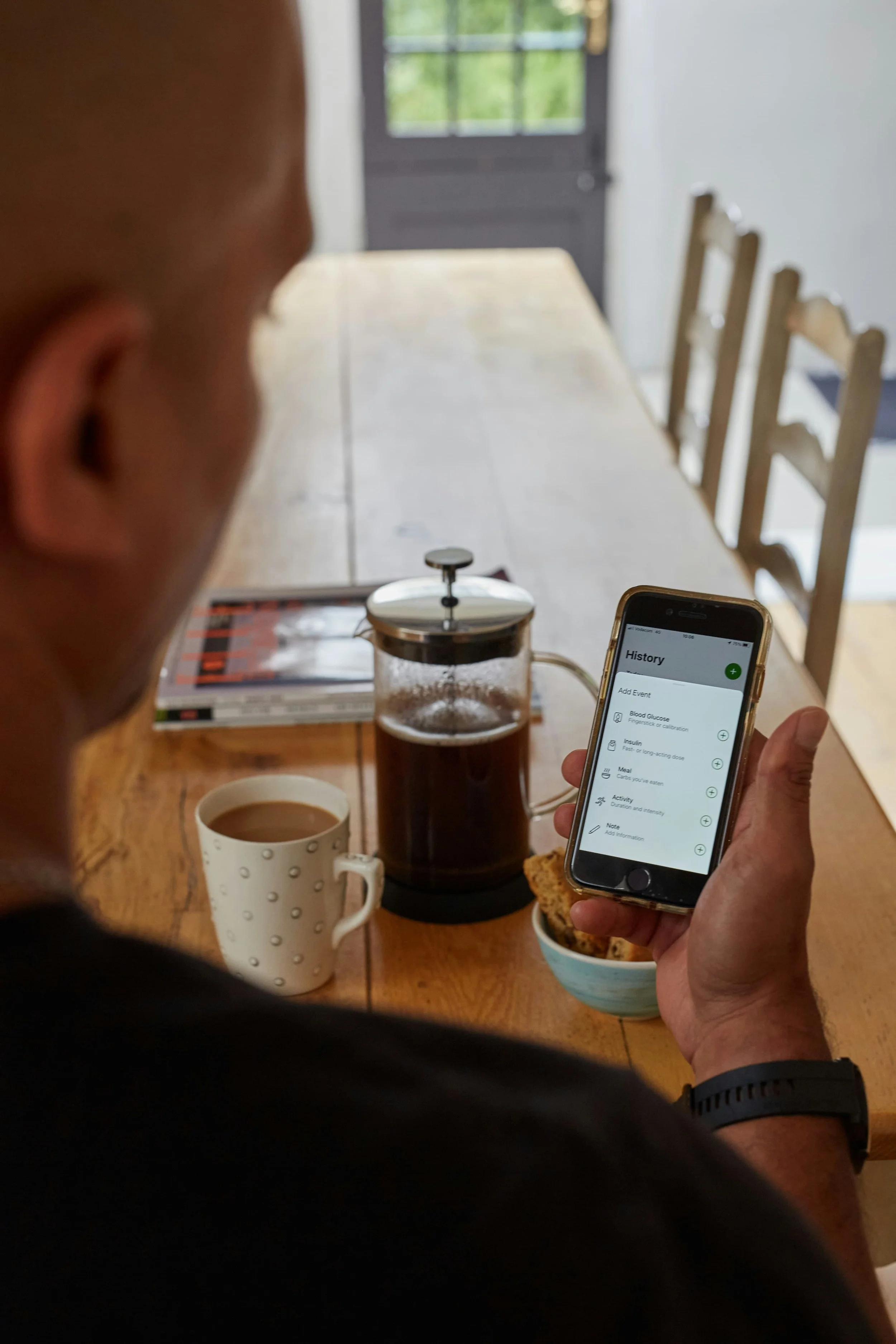
Start with why you want one
This sounds obvious, but it changes everything that follows. Most people reading this are curious. They want to see how their own body handles porridge, or pasta, or a Sunday roast, and then get on with life. If that's you, two to four weeks of wear is often enough to learn the patterns that matter, and you can always come back to it later.
If you live with diabetes or prediabetes, or you take any medication that affects your blood sugar, please talk to your GP or diabetes team before buying anything. You may be eligible for a sensor through the NHS. Many sensors sold over the counter are designed for general wellbeing and aren't built to warn you of a dangerous low.
If you're in cancer treatment, as I was, have a quick word with your oncology team too. Some treatments and some scans don't mix well with a sensor, and they'll know your situation far better than any leaflet.
And one honest note. Researchers at UCL who reviewed CGM use in people without diabetes found that the numbers can make some people anxious about what's "normal". If you notice that happening to you, take it off. The point is curiosity, never worry.
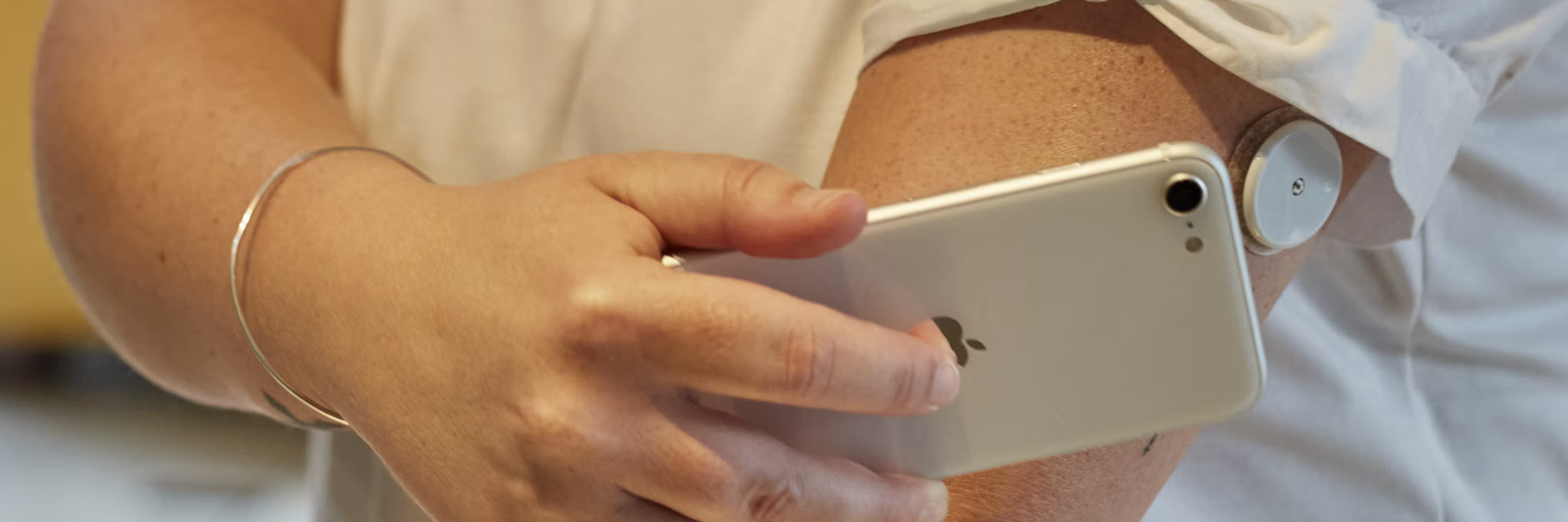
The sensor itself
Is it legally sold here? In the UK a glucose sensor counts as a medical device, and the MHRA says it must carry a CE, UKCA or CE UKNI mark. Check for the mark and a manufacturer's address on the box. Cheap imports from overseas marketplaces sometimes have neither.
How accurate is it, really? A sensor doesn't measure your blood. It reads the fluid around your cells, which trails behind your blood by roughly ten minutes on average, sometimes more when things are changing quickly. On top of that, a 2025 University of Bath study found that one widely used sensor consistently read higher than finger-prick tests in healthy adults, and made whole fruit and a smoothie look as though they caused bigger rises than they did. That doesn't make sensors useless. It means the shape of your curve and how one meal compares with another are more trustworthy than any single number. If a company publishes its accuracy data, read it. If it won't, ask why.
How long does each one last? Most sensors run for somewhere between ten and fifteen days. Compare the cost per day rather than per sensor, because a cheaper sensor that lasts ten days can work out more expensive. Expect the first day to be a little erratic while it settles in.
Will you forget you're wearing it? Look at the size and thickness, and whether it sits on the back of your arm or your tummy. Think about the side you sleep on: lying on a sensor all night can squash the readings down and give you a false dip at 3am. If you swim, check how deep and for how long it's rated. If you sweat a lot, do contact sport, or have sensitive skin, ask whether over-patches or a gentler adhesive are available.
What can throw it off? Every sensor's leaflet lists substances that can skew readings. High-dose vitamin C supplements, some everyday painkillers and certain medicines used in cancer care appear on these lists for some devices. If you take anything regularly, check the leaflet, and ask your pharmacist if you're unsure.
What about scans and airports? Most sensors need to come off before an MRI, CT scan or X-ray. If you have hospital appointments coming up, it might be worth timing your sensor around them. The manufacturer will also have guidance on airport security.
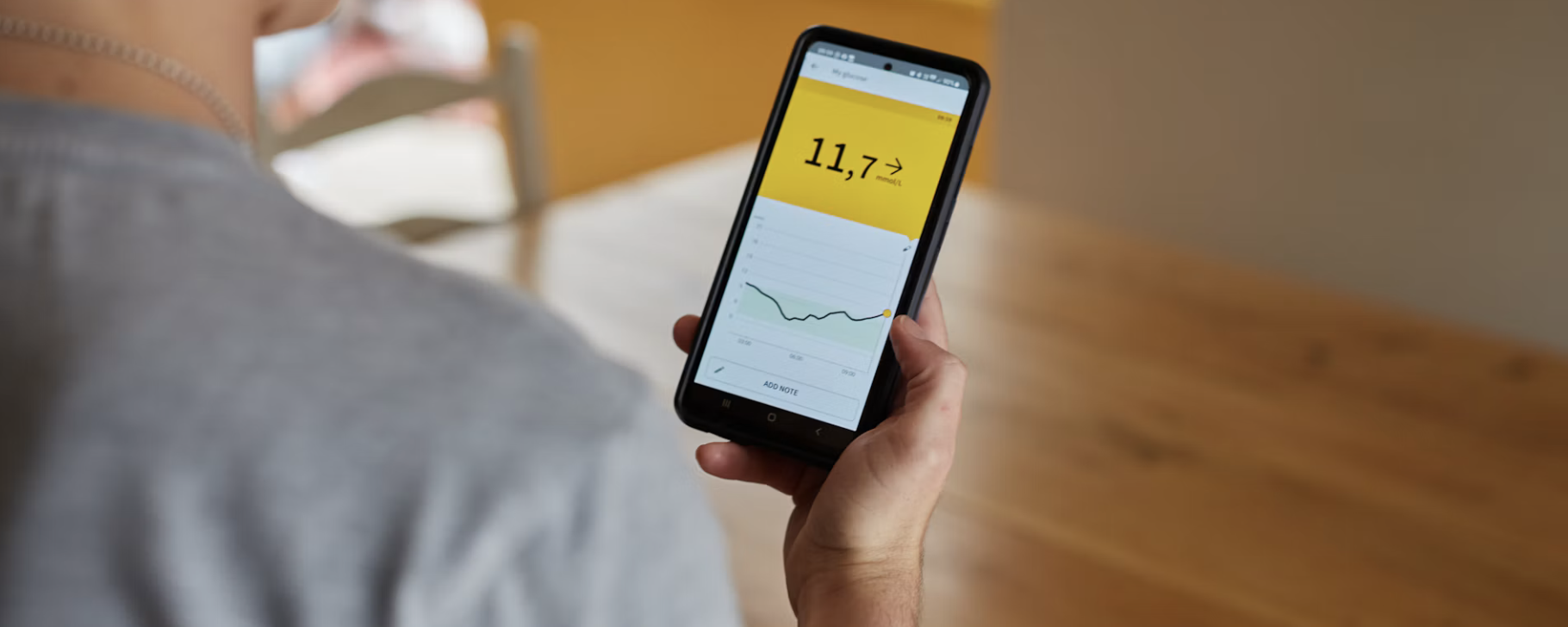
The app matters as much as the sensor
Honestly, this is where I'd spend most of my deciding time. The sensor collects the data, but the app is what you'll look at several times a day for a fortnight. Many apps let you browse a demo before you buy, so try a few.
A graph you can read at a glance. You want to see where you are, which way you're heading and how fast. Then you want to zoom out to a whole day and a whole week. The feature I'd hunt for is the ability to lay two days on top of each other, so you can compare Tuesday's breakfast with Friday's. That's where the real learning happens.
Food logging that takes seconds. If logging a meal is fiddly, you'll stop doing it by day three. Look for a quick photo, a few words, and a time you can edit afterwards, because you'll often remember lunch at four o'clock. Room for a note about sleep, stress or a walk is a bonus.
A proper link to your health app. If the app connects to Apple Health on an iPhone, or Health Connect on Android, your walk or Pilates class can appear on your glucose graph without you logging it twice. Check which way the data flows. Some apps only send glucose out; the better ones also pull movement, steps and sleep in.
Alerts you control. You should be able to change the alert levels, set quiet hours and switch alerts off completely. If you don't have diabetes, a buzz every time you eat a jacket potato isn't information. It's noise.
Suggestions with the right tone. Some apps offer a nudge when your glucose is climbing, and a good one is genuinely helpful: something like "a ten-minute walk now could help". Be wary of apps that score meals or colour foods red and green. Food isn't good or bad, and an app that tells you otherwise will slowly change how you feel about eating.
The small print on your phone. Check the compatibility list for your exact phone model and software version before you pay. Find out whether the phone needs to stay near you, and whether the sensor can store readings and fill the gaps when you've left the phone in another room. In the UK, make sure it shows mmol/L. And check which features sit behind a separate monthly subscription.
Your data is yours
Glucose readings are health data, and UK data protection law treats health data as a special category for good reason. Before you sign up, spend five minutes with the privacy policy. Where is your data stored? Is it shared with partners or advertisers? Can you delete your account and everything in it?
Then look at how easily you can get it out. A simple export, a spreadsheet file or a PDF report, means you can show your GP, keep your own records, or bring it along to a one-to-one session with me. It also protects you if the company changes its app or stops supporting your sensor. Some apps let you share a live view with a family member, which can be reassuring if someone close to you likes to keep an eye on things.
The practical bits nobody puts on the box
The real cost. Work it out per month, not per sensor, and add any app subscription on top. If a deal locks you into a monthly plan, find out how to cancel before you need to.
When a sensor gives up early. They do, sometimes. One gets knocked off on a door frame, another stops reading on day six. Ask how replacements work: is there a simple form, or do you have to send photos and wait?
Help when you need it. A UK customer service line, reasonable delivery times, and sensors actually in stock make a bigger difference than you'd think when you're halfway through an experiment.
What's left behind. Each sensor comes with a plastic applicator that mostly goes in the bin. A few companies run take-back schemes. If that matters to you, it's worth asking.
Your exit plan. Decide roughly how long you'll wear it before you start. A clear end date keeps the sensor a learning tool, rather than something you feel you can't take off.
Before you press "buy"
If you only keep one part of this post, keep these questions:
Do I need to talk to my GP, diabetes team or oncology team first?
Does the box carry a CE, UKCA or CE UKNI mark?
What does it cost per month, including the app?
Will it work on my phone, and does it show mmol/L?
Can I compare days, log food quickly and link my health app?
Can I adjust or switch off the alerts?
Does anything I take regularly appear on the leaflet's list?
Can I export my data, and can I delete it?
What happens if a sensor fails early?
How long am I planning to wear it?
Whichever sensor you choose, remember what it can't tell you. It won't tell you whether a meal kept you full, whether you slept well, or whether you enjoyed it. Those still count, and in my kitchen they count most.
If you already wear a sensor and the graph leaves you with more questions than answers, that's exactly what CGM Compass is for: one conversation and a two-week plan that turns your data into everyday food decisions.
And if you'd rather start without a sensor at all, our free 1-month guide, One Plate at a Time, builds the habits one meal at a time.
IMPORTANT NOTICE
The content shared by The Metabolic Kitchen Diaries is for general educational and informational purposes only. Everything shared here is based on personal experience, self-experimentation, and publicly available nutritional research. Nothing on this platform constitutes medical advice, diagnosis, or treatment. Please consult your GP, oncologist, or a qualified healthcare professional before making significant changes to your diet, especially if you have a health condition, are undergoing treatment, or take regular medication. Every body is different. What works for one person may not work for another. The Metabolic Kitchen Diaries encourages individual experimentation, curiosity, and self-awareness, with professional guidance where appropriate.
All rights reserved.