
Making Sense of Protein, Without a Single Protein Bar
A diary entry about cutting through the noise.
Protein is everywhere at the moment. Protein bars, protein powders, protein water, protein bread. If you believed the packaging, you'd think we were all one scoop away from falling apart. And somewhere in all that noise, a genuinely important question gets lost: how much protein does my body actually need, and what should it look like on my plate?
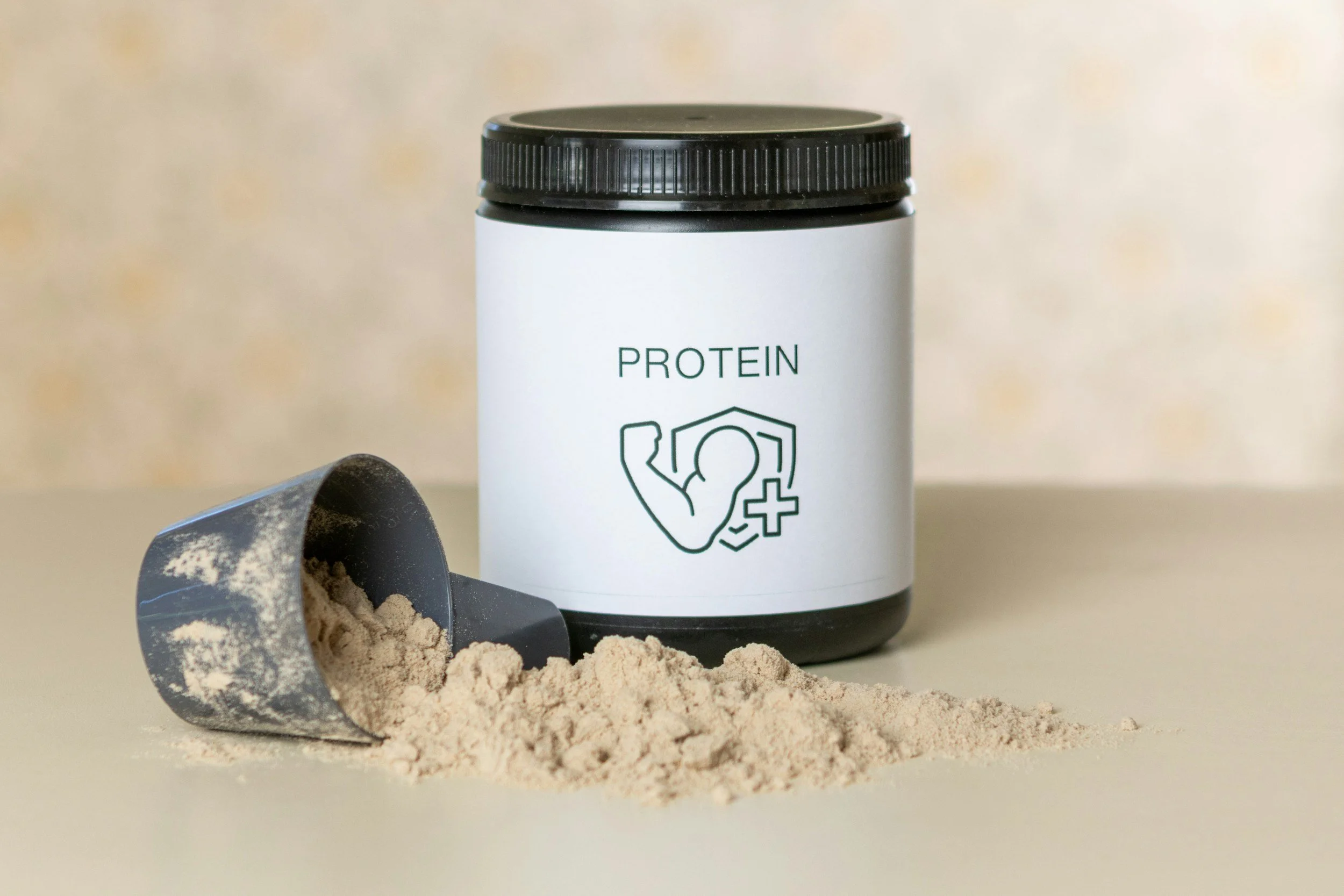
I found myself asking exactly that recently. My weight has been shifting, a change I've been working towards, and I know that when the body changes shape, the goal is to hold on to strength while letting go of what you don't need. That means protein stopped being an abstract nutrition-headline word and became a very practical, very personal question at my own kitchen table.
So this diary entry is me thinking it through, out loud, the way I've learned to: not with numbers to chase, but with real food and a bit of curiosity.
Why protein deserves the attention (even if the marketing doesn't)
Here's the part the protein-bar aisle gets right: protein genuinely matters, and research suggests it may matter more as we get older. As the years go on, our bodies become a little less efficient at using the protein we eat to maintain muscle. Muscle, in turn, is central to almost everything steadiness on your feet, energy through the day, and how resilient the body feels overall.
And if your weight is changing, deliberately or otherwise, protein becomes the thing that helps make sure what you're maintaining is strength, not just numbers on a scale.
What the marketing gets wrong is the idea that this requires products. It doesn't. It requires meals.
What "enough" looks like on a plate
I don't count grams, and I'm not going to ask you to either. Here is the shape of it instead:
A proper protein anchor at every meal. Not one protein-heavy dinner and two afterthoughts, but at every meal, including at breakfast.
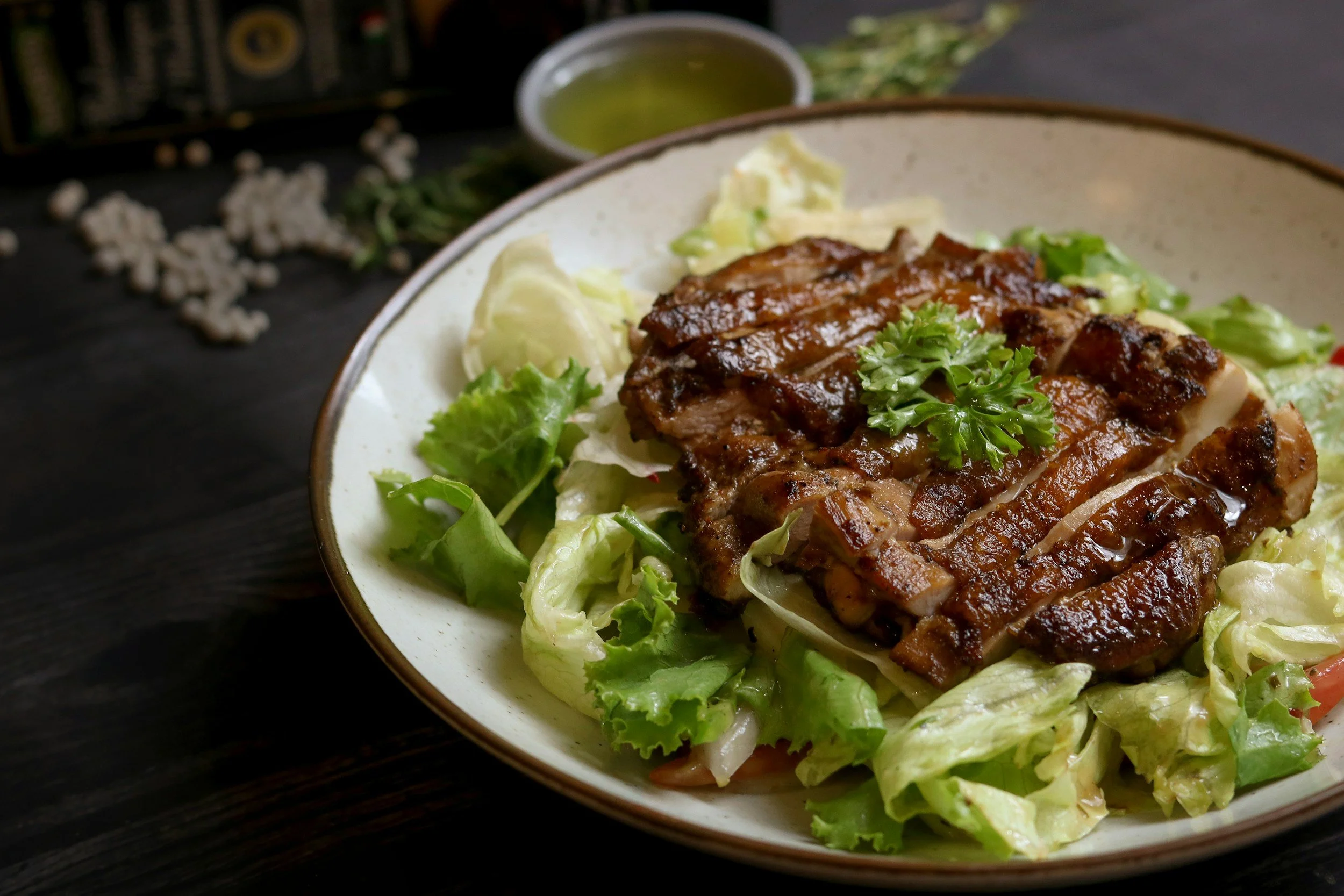
Roughly a palm-sized portion of meat or fish, or a few eggs, or a generous bowl of Greek yoghurt. If you look at your plate and can't immediately point to the protein, it probably needs one.
Spread through the day, not saved up. The body seems to do better with protein arriving steadily, breakfast, lunch, dinner, rather than all at once in the evening. This was the biggest shift for me: breakfast used to be the meal where protein quietly went missing.
Paired with fat and fibre. This is the PFF principle that underpins everything in this kitchen: protein, fat and fibre together at every meal. Protein rarely works alone; alongside good fats and plenty of fibre, meals become steadier, more satisfying, and far less likely to leave you rummaging for a snack an hour later.
What that protein should actually be
This is where I part ways with the bars and powders entirely. Not because they're forbidden, nothing here is, but because real food does the job better, tastes better, and comes with everything else the body recognises.
My own anchors, week in and week out:
Really good eggs: the fastest protein there is. Scrambled, boiled, folded through leftover vegetables.
Grass-fed beef and slow-cooked cuts: a beef shin stew simmering for an afternoon is protein, warmth and deep flavour all at once.
Fish, twice a week or more: salmon on a rocket salad or seabass with broccoli takes fifteen minutes and asks nothing of you.
Greek yoghurt and ricotta: the quiet heroes. Ricotta stirred into a vegetable soup turns a light lunch into a proper meal. Greek yoghurt with nuts and seeds is breakfast sorted, or a great nighttime snack to keep the glucose steady throughout the night.
Roast chicken, cooked once, eaten twice: Sunday's roast becomes Monday's lunch with no extra effort.
Nuts and seeds: not a main event, but they top up many meals beautifully.
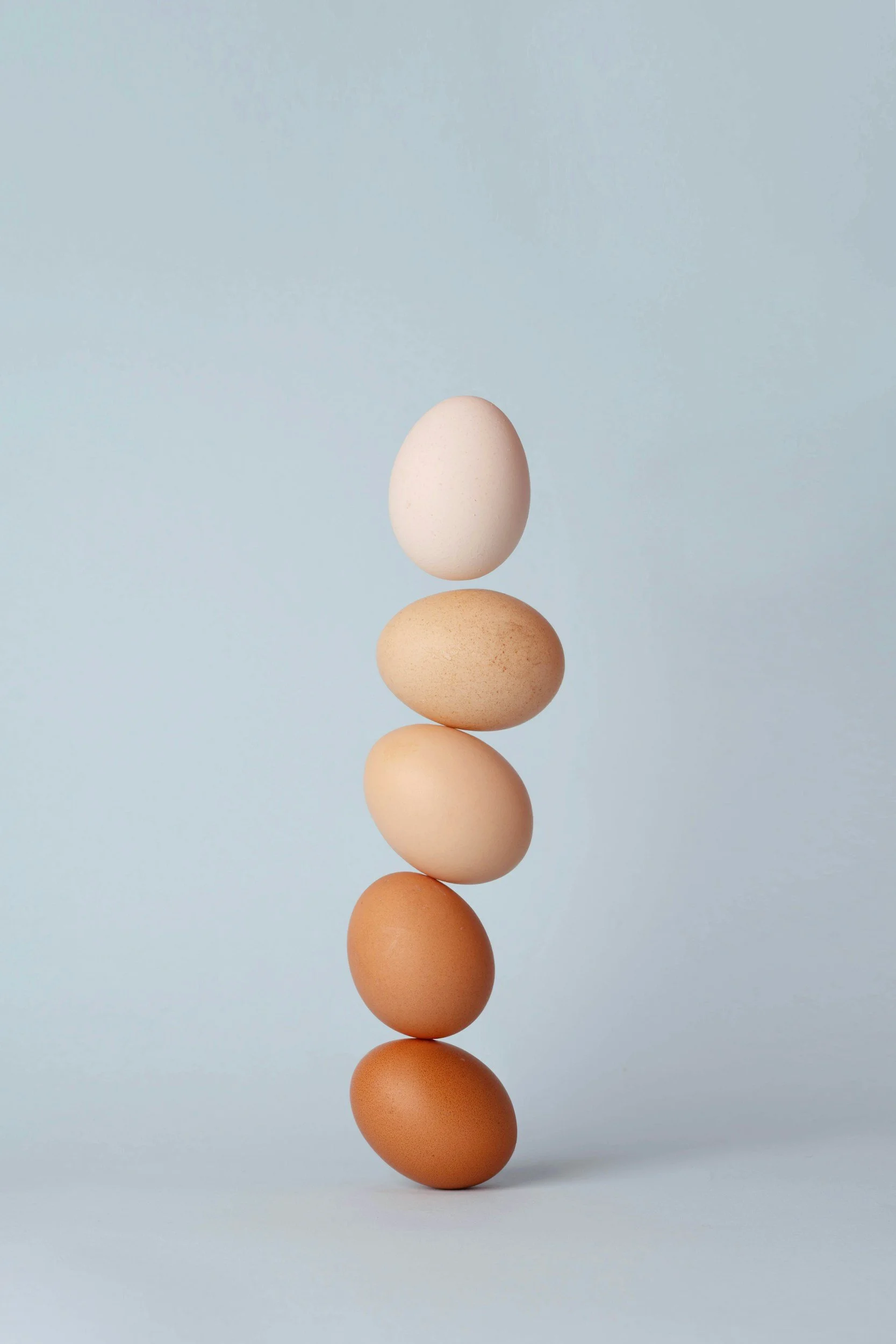
Notice what all of these have in common: they're just food.
Nothing needs unwrapping, nothing has an ingredients list longer than the recipe, and every one of them can be on a plate in under half an hour, or made in a big batch on a quiet afternoon.
The honest answer to "how much?
Enough that every meal has a clear protein anchor, roughly palm-sized, three times a day. Enough that you feel satisfied after eating rather than hungry an hour later. Enough that, over the weeks, you feel strong, because strength is the real measure here, not a number.
And as always: every body is different. My "enough" may not be yours. If your weight is changing and you didn't plan it that way, or you're managing a health condition, that's a conversation worth having with your GP before anything else. Then come back to the kitchen, get curious, and notice how your body responds.
That's the whole method, really. Real food. Real attention. Real results.
IMPORTANT NOTICE
The content shared by The Metabolic Kitchen Diaries is for general educational and informational purposes only. I am not a doctor, registered dietitian, or medical professional. Everything shared here is based on personal experience, self-experimentation, and publicly available nutritional research. Nothing on this platform constitutes medical advice, diagnosis, or treatment. Please consult your GP, oncologist, or a qualified healthcare professional before making significant changes to your diet, especially if you have a health condition, are undergoing treatment, or take regular medication. Every body is different. What works for one person may not work for another. The Metabolic Kitchen Diaries encourages individual experimentation, curiosity, and self-awareness — with professional guidance where appropriate.
@themetabolickitchendiaries · www.metabolic.kitchen