
White Leaf Tea, My Everyday Ritual
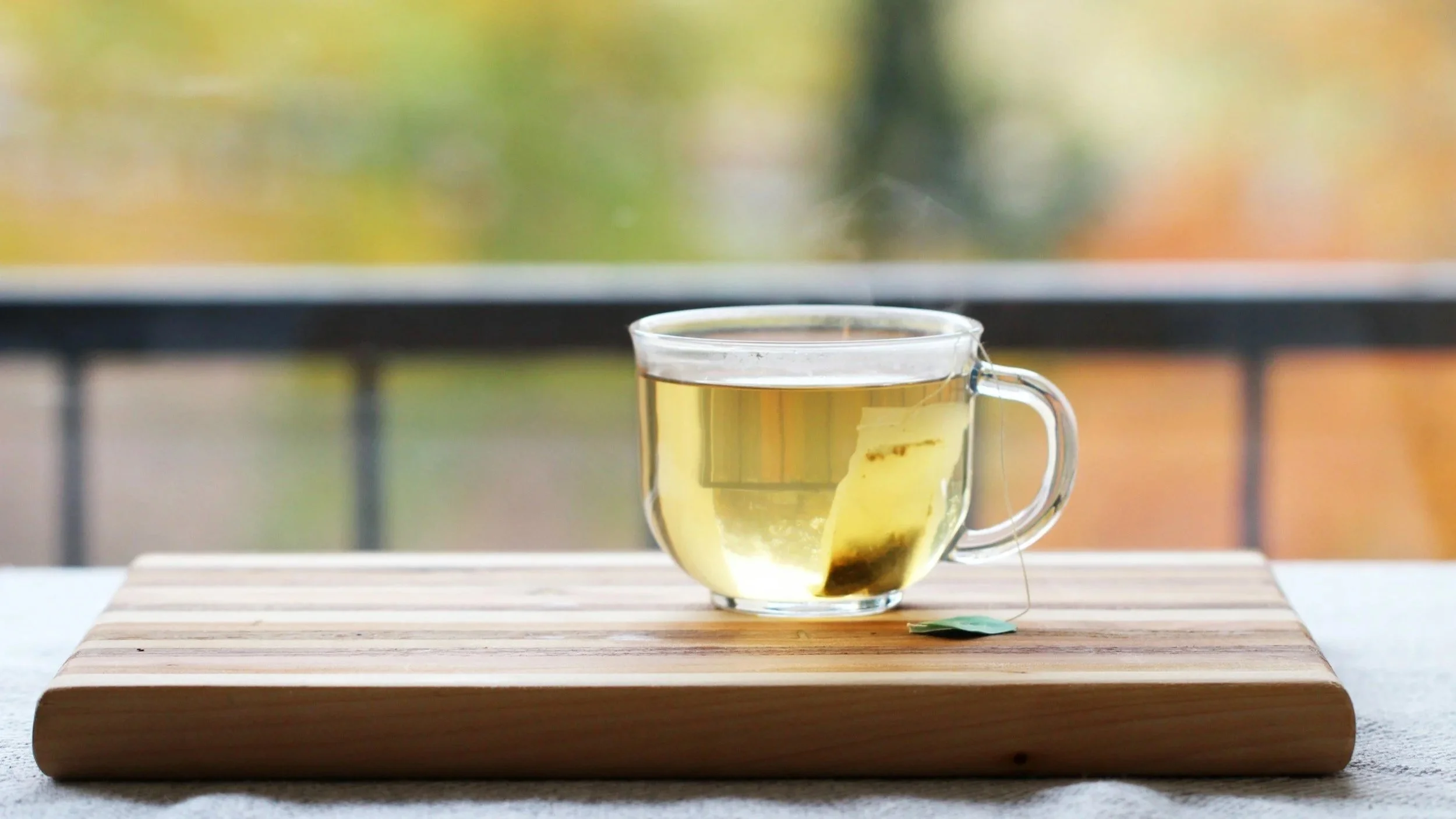
There's a pot of white leaf tea on my counter most days. Pale, almost gold, barely there. I'll brew it in the morning, drink my way through it, and then, once the pot is empty, simply top it up with more hot water and carry on. The leaves give a second pour, sometimes a third, each one a little softer than the last. It's become one of those small, grounding rituals I look forward to without quite noticing why.
So I thought I'd share what I've come to love about it, and a little of the curiosity that keeps me reaching for it.
What white leaf tea actually is
White leaf tea comes from the same plant as green and black tea, Camellia sinensis. What sets it apart is how little is done to it. The young leaves and buds are picked early, then simply withered and air-dried, with very little processing in between. The name comes from those buds themselves: they're covered in fine, silvery-white hairs that give the leaf its pale, downy look.
Much of the classic stuff comes from the Fujian province of China, and white leaf tea has been prized for centuries as one of the most delicate and carefully made of all teas. That gentleness is part of its character: a pale liquor, a soft aroma, and a very subtle taste.
The catechins I keep reading about
White leaf tea, like green tea, contains a group of plant compounds called catechins, a type of polyphenol. These are part of the broader family of antioxidants that research has long found interesting in the context of everyday wellbeing. Because white tea is the least-processed of the true teas, it's thought to hold on to a good concentration of these compounds, though I'd note that how a tea is grown and stored seems to matter as much as its category, so I wouldn't read too much into the label alone. I'm careful here, because the science is still unfolding and a cup of tea is not a treatment: catechins are associated with a range of effects researchers continue to explore, rather than a guaranteed outcome you can chase.
What I'll say honestly is this: I don't drink white leaf tea expecting it to fix anything. I drink it because it's a pleasant, naturally low-sugar thing to fill a cup with, and the catechins feel like a small, gentle bonus rather than the reason.
The caffeine question
White tea isn't caffeine-free, no true tea is, but it tends to sit at the lower, softer end. That's a big part of why it suits my days so well. I can sip it from morning through to late afternoon without the buzz-and-crash I'd get from coffee, and it doesn't tend to unsettle my evenings the way a stronger brew might.
If you're very sensitive to caffeine, a shorter steep and slightly cooler water keep things even gentler. But for me, the appeal is exactly that steadiness: a warm cup that lifts without overwhelming.
There may be a reason for that calm-but-alert feeling beyond the low caffeine. White tea also contains an amino acid called L-theanine, which is associated with a sense of relaxed focus. The pairing of a little caffeine with L-theanine is often described as a gentler kind of lift than coffee; present, but without the edge. I can't promise you'll feel it, but it matches my own experience of a cup that settles me rather than winds me up.
One pot, several pours
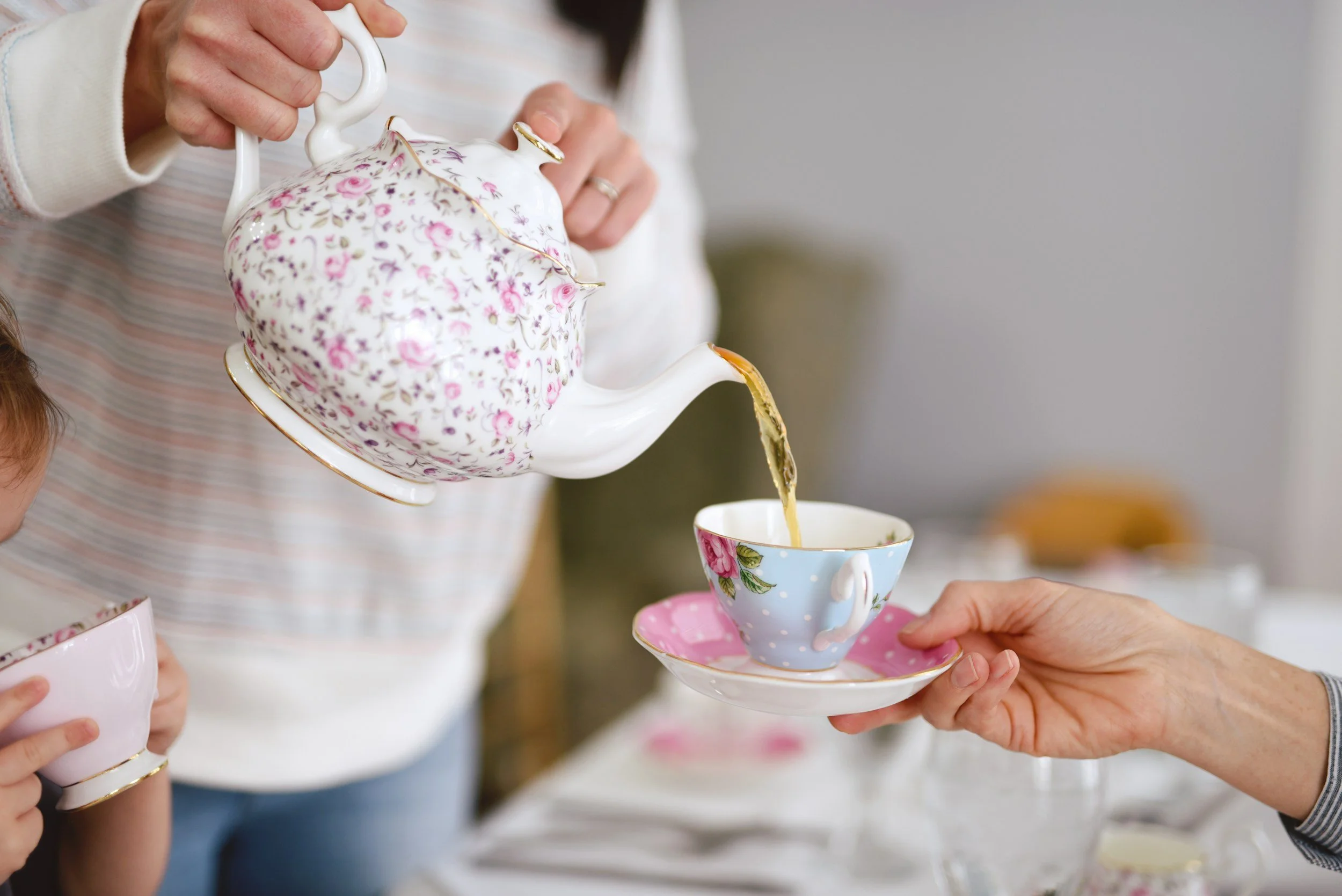
It's also a lovely way to drink more water through the day without quite thinking of it as "drinking more water."
Because white leaf tea is so lightly handled, the leaves have plenty to give. When my pot finishes, I simply refill it with hot water. The second infusion is softer, almost rounder; the third softer still. It feels generous and unfussy; one small scoop of leaves stretching across a whole morning, with very little waste.
A small note on brewing, if it helps: white leaf tea likes to be treated kindly. Click the kettle off just before it fully boils (or let it sit a couple of minutes after), pour over the leaves, and steep only briefly, a minute or two. Longer and it can turn bitter; gentler and it stays soft and fragrant. Then re-infuse, up to three times, to follow how the flavour shifts with each pour. And honestly? It's loveliest left alone, no milk, no sugar, so its fruity-floral character can come through.
So, better than green tea?
I won't claim white leaf tea is superior to green tea, the honest answer is that they're close relatives, and how a tea is grown, sourced and stored seems to matter as much as which category it falls into. Both are minimally processed, both bring those catechins, both are lovely.
What I can say is why I personally reach for white tea more often: it's the gentler one. Less processing, a milder flavour, a softer hit of caffeine, and that easy generosity of multiple pours. For the kind of slow, all-day sipping I enjoy, it simply fits. Green tea is wonderful too, this is preference, not a ranking.
A small invitation
If you've never tried it, white tea is worth becoming curious about. Brew it gently - steaming water rather than a hard boil, and notice how you feel: your energy, your focus, whether that mid-morning cup steadies you. As always around here, the cup is the experiment and your body is the data.
Pop the kettle on. See how you like it.
IMPORTANT NOTICE
The content shared by The Metabolic Kitchen Diaries is for general educational and informational purposes only. I am not a doctor, registered dietitian, or medical professional. Everything shared here is based on personal experience, self-experimentation, and publicly available nutritional research. Nothing on this platform constitutes medical advice, diagnosis, or treatment. Please consult your GP, oncologist, or a qualified healthcare professional before making significant changes to your diet, especially if you have a health condition, are undergoing treatment, or take regular medication. Every body is different. What works for one person may not work for another. The Metabolic Kitchen Diaries encourages individual experimentation, curiosity, and self-awareness — with professional guidance where appropriate.