

Six Kilos, Mostly from the Sofa
People assume “metabolic eating” is complicated or restrictive. For me it is neither. It comes down to three simple ideas. What I combine, when I eat, and what is actually on the plate, and none of them involve counting, cutting whole foods out, or going hungry. What four months of really listening to my body actually taught me about myself.
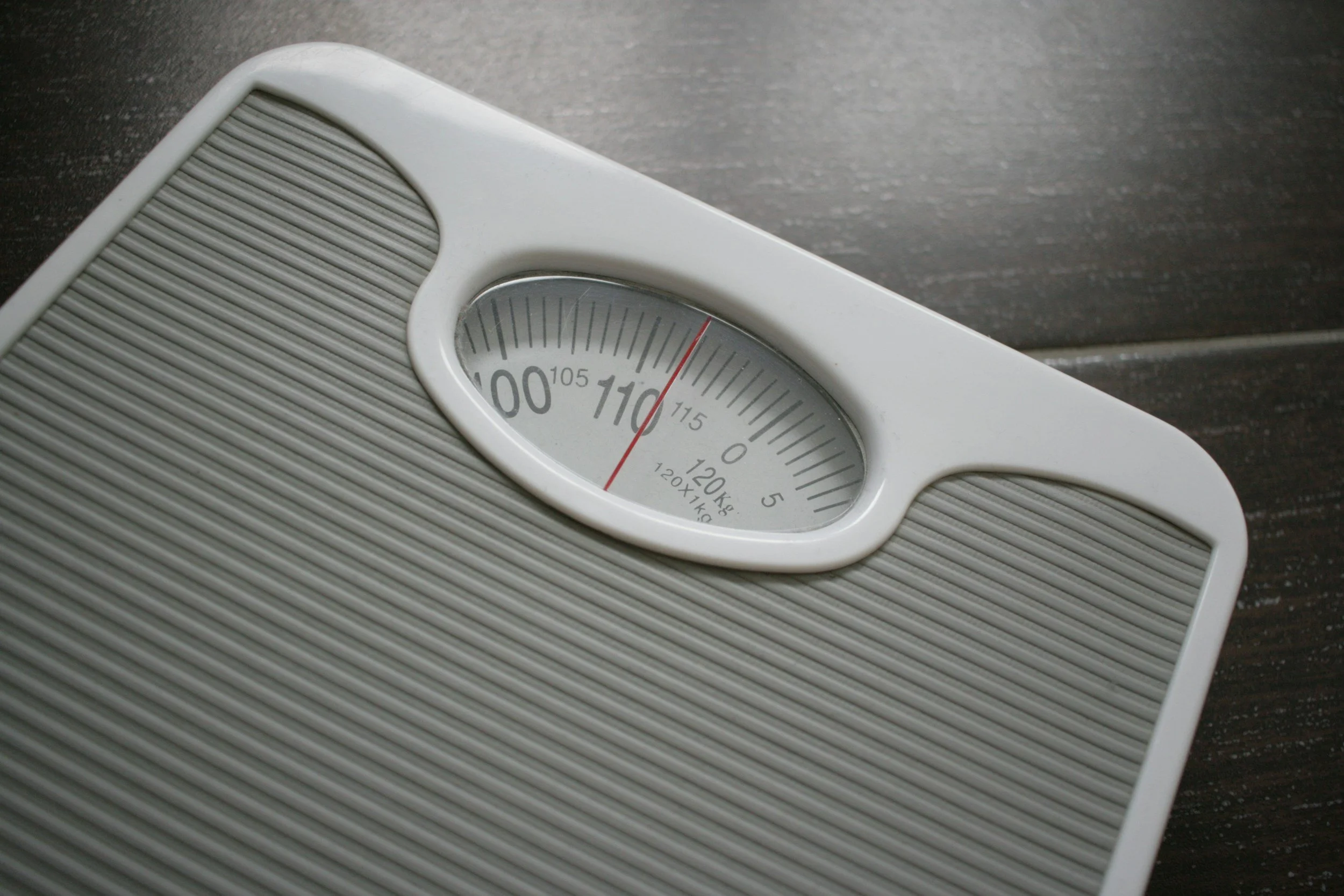
On 1 February I stepped on the scale at 81 kg (about 178 lbs). By 30 May it read 74.9 (about 165 lbs). That is just over six kilos across four months and about sixty percent of the way to the ten or so I set out to lose, with maybe three left to go.
I am not sharing that to wave a number around. Numbers, on their own, don’t tell you much, and they certainly don’t tell you whether what you are doing is something you can actually live with. What ‘I want to share is the story underneaththe number, because that is the part that surprised even me.
The part I keep coming back to
A big chunk of that loss happened while I could barely move.
A broken foot, surgery, weeks of almost no walking and no Pilates. If this had been driven by burning it off — by punishing workouts and step counts — those weeks would have stalled or gone backwards. They did not. The weight kept coming off, gently and steadily, from the sofa.
What surprised me most: it was never just about the exercise.
That told me something I think is genuinely important: this is not about exercise doing the heavy lifting. It is about how, when and what I eat. And that matters, because activity is so often the thing life takes away from you exactly when you were relying on it. A body that keeps losing weight gently or staying metabolically balanced even when you are laid up is a body whose foundations are sound, not one balanced precariously on activity levels you cannot always control.
Reading my own data like a story, not a verdict
I treat my own weigh-ins the way I treat my glucose readings: as an interesting story, not a judgment. Here is roughly how the four months actually went.
• February: a quick drop from 81 to around 78. A lot of an early fall like that is water and glycogen rather than fat. Completely normal, and not something to get attached to.
• March: a plateau around 77. A plateau after an initial loss is exactly what is meant to happen. It is a settling-in, not a stall to panic about.
• Early April: a blip up to 80. Almost certainly one fluid-heavy morning: the weeks either side sat back at 77, and it corrected itself within days. A single weigh-in is a mood, not a trend.
• Late April onward: the clean part. 76.7, then 75.8, then 75.1, then 74.9. Roughly half a kilo a week.
Half a kilo a week is the pace I’m happiest with, because it is the pace associated with losing fat while holding on to muscle, rather than shedding both. Gentle is not slow-and-disappointing. Gentle is the result that is here to stay.
So how does it actually work?
People assume “metabolic eating” is complicated or restrictive. For me it is neither. Well, I don’t eat cakes and ice cream most of the time. It comes down to three simple ideas. What I combine, when I eat, and what is actually on the plate, and none of them involve counting, cutting whole foods out, or going hungry.
1. What I combine with what:
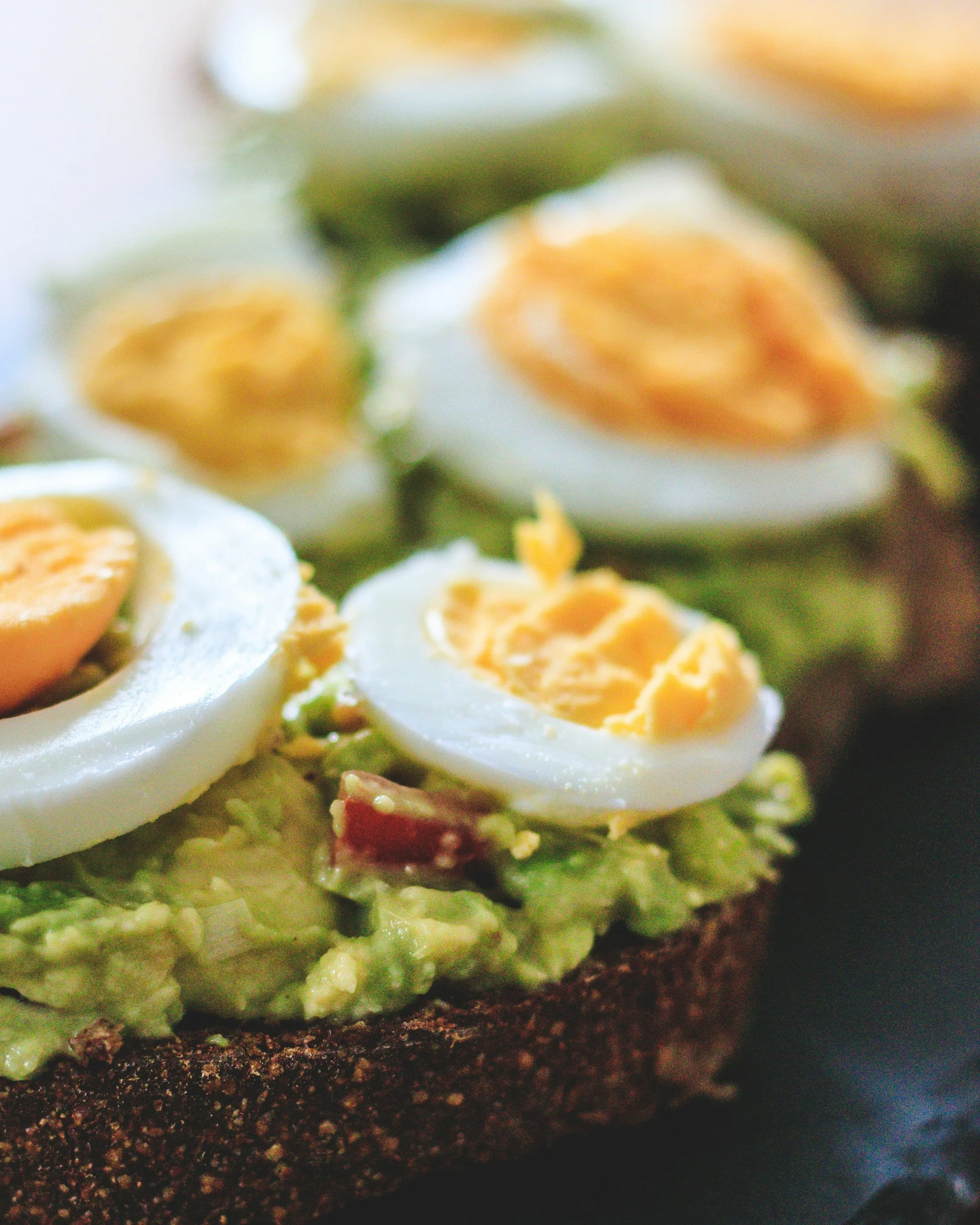
This is the single biggest lever, and the one I would change first if I could only change one thing. I almost never eat a carbohydrate “naked.”
White starch and bread on their own tend to send glucose up quickly; the very same starch alongside protein, fat and fibre rises far more gently.
So I build every plate around protein, fat and fibre. I think of it as PFF, and treat the starchy bit as the guest, not the host.
• Greek yoghurt with a spoon of my low-GI granola (nuts, seeds, coconut, cinnamon; no oats, no honey, no dried fruit) instead of cereal in milk. The protein and fat carry the whole bowl, and there is very little in it to spike.
• A jacket potato is nice, but with plenty of protein, a generous drizzle of olive oil, and a salad alongside. Never on its own.
• For something sweet, my pistachio and ricotta cream (ricotta and Greek yoghurt, crushed pistachios, the smallest whisper of honey) sits far calmer than a sugary pudding.
2. When I eat:
Two timing ideas, both gentle, neither of them a fixed rule.
• Order on the plate. I eat the vegetables, the protein and fat first, and save the starch for last. Same meal, same food, just sequenced. For a lot of people that ordering noticeably softens the glucose rise, and it costs nothing to try. Nowadays, I just naturally tend to leave the starch untouched.
• A longer overnight rest. I like to leave a comfortable stretch between my last meal and breakfast. Not a fast, not a clock to obey, just a longer natural gap that my body seems to settle into well. Your body is different from mine, so treat this as an experiment rather than an instruction: try it, and see how you feel.
3. What I actually eat:
This is the part people are most relieved by, because it is proper, generous, recognisable food, not sad little portions.
• Dinners like grilled salmon on rocket, seabass with broccoli, beef shin slow-cooked in red wine with mushrooms, aubergine parmigiana with a protein side, or a creamy chicken and mushroom tray bake.
• The accompaniments are the variable. The main dish is almost always metabolically calm on its own; it is the white rice, the bread, the mountain of mash that does the spiking. So I keep the protein and vegetables generous and let the white starch be a small, optional extra rather than the centre of the plate.
The last stretch
The final few kilos of any journey are where it is tempting to push harder, and where it is most worth doing the opposite. This is the phase where lean muscle is most at risk, and muscle happens to be my biggest ally for the steady glucose I care about. So rather than eating less, I am holding my protein steady, and as my foot allows I am easing the Pilates back in, the mat, reformer and tower work I had to set aside.
My goal is to lose further weight slow and muscle-protectively, especially with everything else my body is navigating right now. These last three kilos need to ideally leave as fat, and that the strong, capable bits of me stay exactly where they are.
If I had to sum it up
Four months has taught me that the durable version of this is not dramatic. It is small, repeatable, unglamorous decisions: protein and fat with the carbs, vegetables first, done often enough that they stop feeling like decisions at all.
Your body will respond in its own way, on its own timeline. Mine took the early water-weight dip, sat on a plateau for a month, threw in one alarming-looking morning, and then quietly got on with it. Yours will write its own version. The job is just to stay curious, keep the plate balanced, and keep showing up.
IMPORTANT NOTICE
The content shared by The Metabolic Kitchen Diaries is for general educational and informational purposes only. I am not a doctor, registered dietitian, or medical professional. Everything shared here is based on personal experience, self-experimentation, and publicly available nutritional research. Nothing on this platform constitutes medical advice, diagnosis, or treatment. Please consult your GP, oncologist, or a qualified healthcare professional before making significant changes to your diet, especially if you have a health condition, are undergoing treatment, or take regular medication. Every body is different. What works for one person may not work for another. The Metabolic Kitchen Diaries encourages individual experimentation, curiosity, and self-awareness — with professional guidance where appropriate.