

When a Healthy Lunch Caught me Out
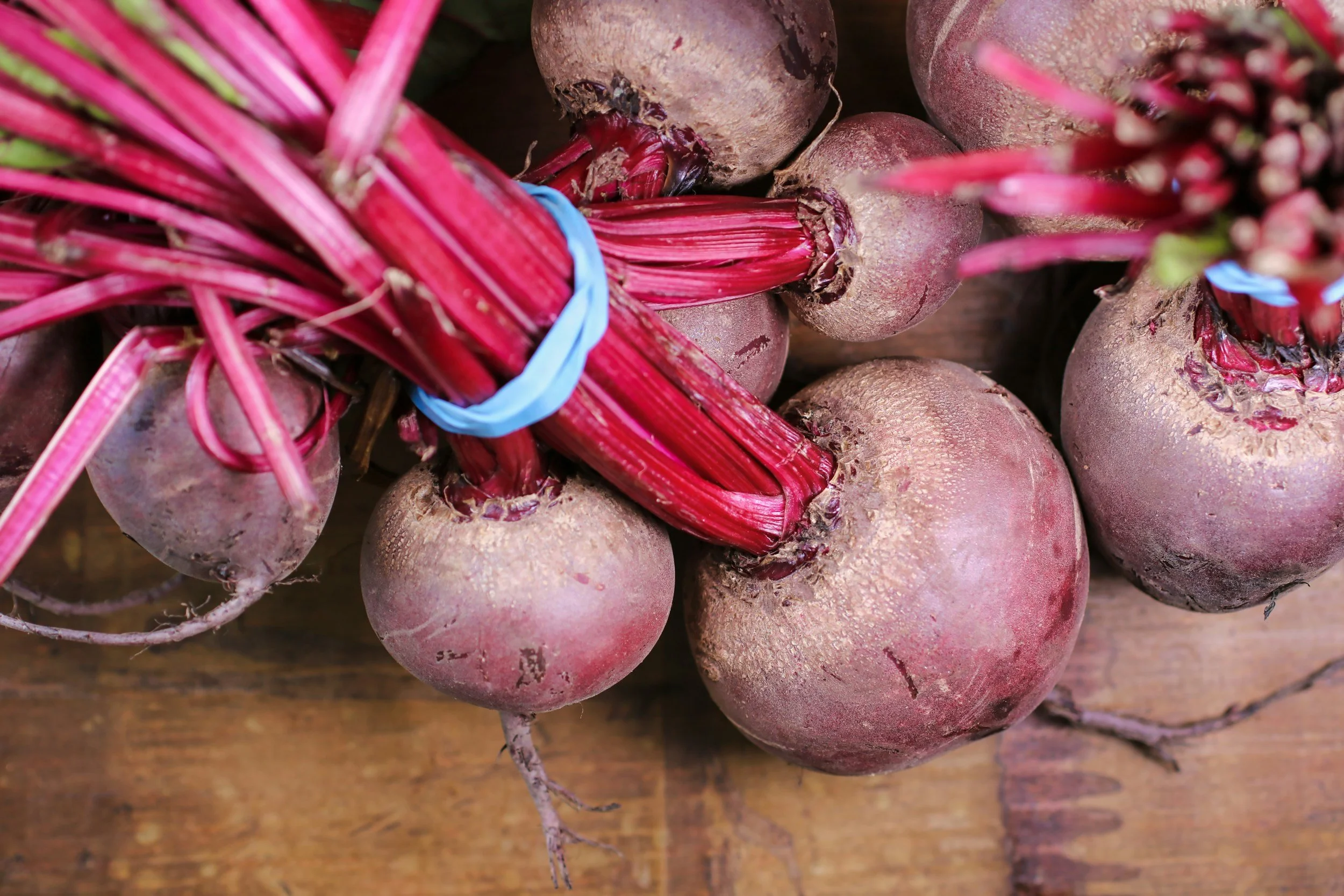
Today started so well. I went to the gym, and afterwards I sat down for lunch with a friend. One of those easy, unhurried meals that feels like a proper treat. I chose what looked like the picture of a healthy plate: beetroot falafel with a mix of grains, broccoli, peppers and a few edamame beans. The portion wasn't big. It was just right. I felt good about it.
Then we made an afternoon of it. A little swimming, some time in the whirlpool chatting, a few minutes in the steam room, and a short spell in a hot salt chamber. Lovely. Relaxing. Exactly the kind of slow afternoon that feels like looking after yourself.
And yet, when I checked my glucose later, there it was: a sharp, tall spike. A rise of almost 100 mg/dL (around 5 mmol/L), my glucose very nearly doubling from where it had been quietly sitting all afternoon. For a plate that looked so wholesome, that surprised me.
So what happened?
This is where it gets interesting, and why I always come back to the idea of balance.
That plate looked healthy, and in many ways it genuinely was. But when I look at it through a metabolic lens, it was actually quite carbohydrate-forward. Beetroot falafel is built on chickpeas, and it sat alongside a generous helping of grains. That is, in effect, two starchy components sharing one plate. There was fibre from all those vegetables, but not much fat and not a big source of protein to slow everything down. In my own experience, that combination, carbohydrates without enough protein and fat alongside them, is exactly the kind of thing that sends glucose climbing.
But I don't think the food was the whole story. Straight after eating, I stepped into the heat: the whirlpool, the steam, the hot salt chamber. Heat is a gentle stress on the body, and even relaxing stress can nudge glucose upwards as the body responds. Add a little dehydration from all the sweating, and you have a few small things stacking up at once.
So it wasn't one villain. It was a combination: a carb-leaning meal, eaten all mixed together, followed by heat. Each part on its own might have been perfectly fine. Together, they added up.
The lesson I'm taking away
This is the thing I keep relearning: it really is all about balance.
If I'd had the same grains and falafel with a good source of protein and a little healthy fat, or eaten the vegetables first and kept the starch as a smaller part of the plate, the curve might have looked very different. And if I'd given my body a little time to settle before stepping into all that heat, that may have helped too.
None of this means the meal was a mistake. I enjoyed it, I enjoyed the company, and one plate is simply one plate. What it gave me was information. That's really all my glucose monitor is: a quiet (sometimes annoying) little teacher, showing me how my own body responds so I can make small, kind adjustments next time.
How I brought it back down
Here's the part I love most, because it's so simple.
When I got home, I went out for a short walk with Phoebe (our greyhound-lab mix), just up and down the path, nothing strenuous. Gentle movement after a meal gives the muscles something to do, and they draw glucose out of the blood to do it. Within a little while, the curve had already turned and was easing back down.
Then, a bit later, I had a small bowl of Greek yoghurt with peanut butter and a few walnuts. Protein and a little healthy fat, with almost no fast carbohydrate. And you could see the difference on the monitor straight away: instead of another tall climb, there was just a small, soft rise, a gentle bump rather than a peak, before everything settled calmly back to where it started.
Same evening, same monitor, two completely different shapes. The first was carbohydrates on their own, helped along by all that heat. The second was protein and fat doing exactly what they do best: holding things steady. By the time I was ready for bed, my glucose was sitting quietly back at baseline.
That, to me, is the whole lesson in one little graph. When the balance tips, it's not the end of the world, a short walk and a thoughtful, protein-rich snack can guide things gently back. No drama. No punishment. Just a small, kind course-correction.
Everything in balance. When it tips, my body tells me, and, just as kindly, it shows me the way back. I'm slowly learning to listen.
A CGM (continuous glucose monitor) is my personal testing tool, it shows me, in real time, how meals land for me. You don't necessarily need one. These principles tend to work whether or not you can see a graph, and your own signals,energy, fullness, mood, sleep, quieter cravings will tell you most of what a sensor would. The principles: protein, fat and fibre at every meal, smart pairings, a helpful order, walking after a meal tend to hold for most people.
IMPORTANT NOTICE
The content shared by The Metabolic Kitchen Diaries is for general educational and informational purposes only. I am not a doctor, registered dietitian, or medical professional. Everything shared here is based on personal experience, self-experimentation, and publicly available nutritional research. Nothing on this platform constitutes medical advice, diagnosis, or treatment. Please consult your GP, oncologist, or a qualified healthcare professional before making significant changes to your diet, especially if you have a health condition, are undergoing treatment, or take regular medication. Every body is different. What works for one person may not work for another. The Metabolic Kitchen Diaries encourages individual experimentation, curiosity, and self-awareness — with professional guidance where appropriate.