
Hungry on the Road, or What to Choose from the Food to Go Shelves
A simple, no-fuss guide to a typical supermarket grab-and-go fridge
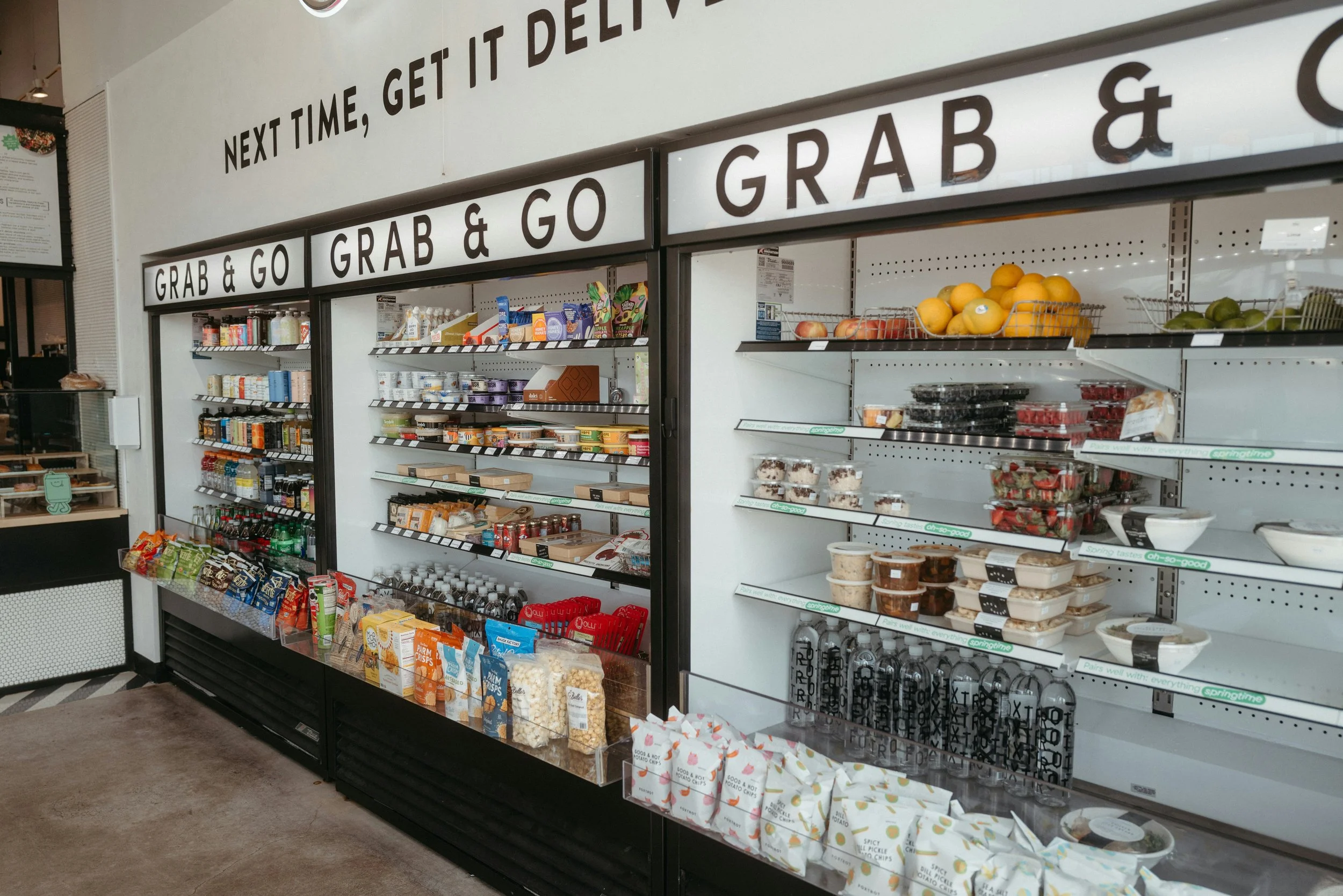
We have all been there. You are out and about, the morning has run away from you, and suddenly you are hungry, properly hungry, standing in front of a supermarket fridge with twenty minutes before your next thing. There is no kitchen, no time, and no plan. Just shelves of sandwiches, pots, bottles and bars, all promising to sort you out.
I find myself here more often than I would like to admit, and over time I have worked out a little way of choosing that leaves me feeling steady rather than wiped out an hour later. I thought I would walk you through it, using a few photos I snapped on a recent stop. Nothing here is off-limits and nothing is forbidden; this is simply how I read a fridge like this, and the choices that tend to keep my energy steady.
My one simple rule
Before I pick anything up, I run the same quiet check in my head: is there some protein, some fat, and some fibre in this? Those three are what slow everything down and keep me full. A plain carbohydrate on its own, bread, a sweet drink, a packet of crisps, tends to send my energy up quickly and then drop me just as fast. So I try never have carbohydrate on its own.
The second small trick: if there is a salad or some vegetables, I eat those first, and save the bread or the starchy bit for last. It costs nothing and it makes a real difference to how the meal settles.
A typical grab-and-go fridge has more good options than you might think.
What I reach for:
• A chicken or salmon protein pot or salad. There are roast chicken and peri-peri chicken options on these shelves. Chicken with leaves and a little dressing is about as steady as a quick lunch gets.
• A boiled-egg pot, if they have one. A proper anchor, protein and fat together, ready to go.
• Olives or a little cheese. Lovely steadying choices with good fats and no sugar rush. They pair well alongside almost anything else.
• A hummus pot with vegetable sticks. I can see the dips on the left. Hummus with carrot or pepper rather than bread or crackers makes a genuinely calm little snack.
• A pot of berries. Strawberries and the mixed-berry tubs are gentler than melon or pineapple. Nicer still with a few nuts or a bit of cheese alongside to slow things further.
A little tip from the diaries
If you are buying a couple of small things, think of yourself as building a plate: one protein, one fat, one bit of colour. A chicken pot, a tub of olives, and some berries is a small, real meal, and you will not be hunting for a biscuit an hour later.
If you feel like a sandwich
The meal-deal shelves are the heart of any supermarket lunch, and a sandwich is often the quickest grab of all. A sandwich on its own is the classic energy-up-then-slump, because it is mostly bread. But it is very easy to make it steadier.
How I make a sandwich work:
• Choose a protein-rich filling. Chicken, salmon, egg or tuna give you something substantial holding the bread together.
• Give it a companion. This is the part that matters most. Add a small pot of olives, a boiled egg, or a little cheese from the same fridge. That second item is what smooths the whole thing out.
• Eat it in order. Any salad first, then the filling, then the bread last. A small habit with a real pay-off.
What I gently skip, and why:
• Smoothies and cold-pressed juices. They look virtuous, but they are often a lot of fruit sugar in liquid form with nothing to slow it down, so they tend to send energy up fast. A whole piece of fruit, or a berry pot, treats you far more gently.
• Crisps and grab-bags. Lovely things, but they are mostly fast carbohydrate with little protein or fibre to anchor them; easy to eat a lot of, and not very filling for long.
• The chocolate wall and sweet bars. Pure quick energy with very little to balance it. Wonderful as an occasional treat with a meal; less kind as a stand-in for lunch when you are already hungry.
• Sweet pastries, cookies and flapjacks. Soft, sweet and quick to lift you, then quick to drop you. They rarely keep me going as long as I hope they will.
• Sugary fizzy drinks and sweetened coffees. A carbohydrate travelling completely alone: the fastest rise of all. Water, sparkling water, or a plain coffee or tea sit much more quietly.
• The “protein” bars are worth a second look. Some are genuinely protein-forward and a decent choice; others are really a sweet bar wearing a gym vest. This is the one shelf where it pays to turn the packet over and have a quick read of what is actually inside before you decide.
If you only remember one thing:
A whole, real food with some protein or fat in it will almost always keep you steadier than something sweet and quick, even when the sweet, quick thing is dressed up to look healthy. When in doubt, pick the food that looks closest to how it grew or how it was cooked.
My quick shelf checklist:
If I am in a hurry and cannot think, I run through this in a few seconds:
• Is there protein in this? Chicken, egg, fish, cheese, beans, nuts.
• Is there some fat or fibre to slow it down? Olives, cheese, avocado, vegetables, seeds.
• If it is mostly bread or sugar, what can I pair it with? Grab one small companion from the fridge.
• Unsweetened drinks (water, kefir, yoghurt drinks): yes. Anything sweetened: ignore.
That is the whole of it. No counting, no rules, no foods you are not allowed. Just a calm way of reading a fridge so that you leave feeling fed and steady, ready for whatever the rest of the day holds. The more you do it, the more it becomes second nature, and the supermarket stops feeling like a minefield and starts feeling like somewhere you can always find something real.
IMPORTANT NOTICE
The content shared by The Metabolic Kitchen Diaries is for general educational and informational purposes only. I am not a doctor, registered dietitian, or medical professional. Everything shared here is based on personal experience, self-experimentation, and publicly available nutritional research. Nothing on this platform constitutes medical advice, diagnosis, or treatment. Please consult your GP, oncologist, or a qualified healthcare professional before making significant changes to your diet, especially if you have a health condition, are undergoing treatment, or take regular medication. Every body is different. What works for one person may not work for another. The Metabolic Kitchen Diaries encourages individual experimentation, curiosity, and self-awareness — with professional guidance where appropriate.