

Simple Ways to Keep Your Glucose More Stable, Starting Today
One of the things I love most about metabolic health is how accessible it can be. You don't need a device, a special programme, or a degree in nutrition to start making a real difference to how your body responds to food. Sometimes it's the smallest, most practical shifts that have the biggest impact.
Here are some foundational habits that may help reduce post-meal glucose spikes, with enough context for you to decide which one to try first.
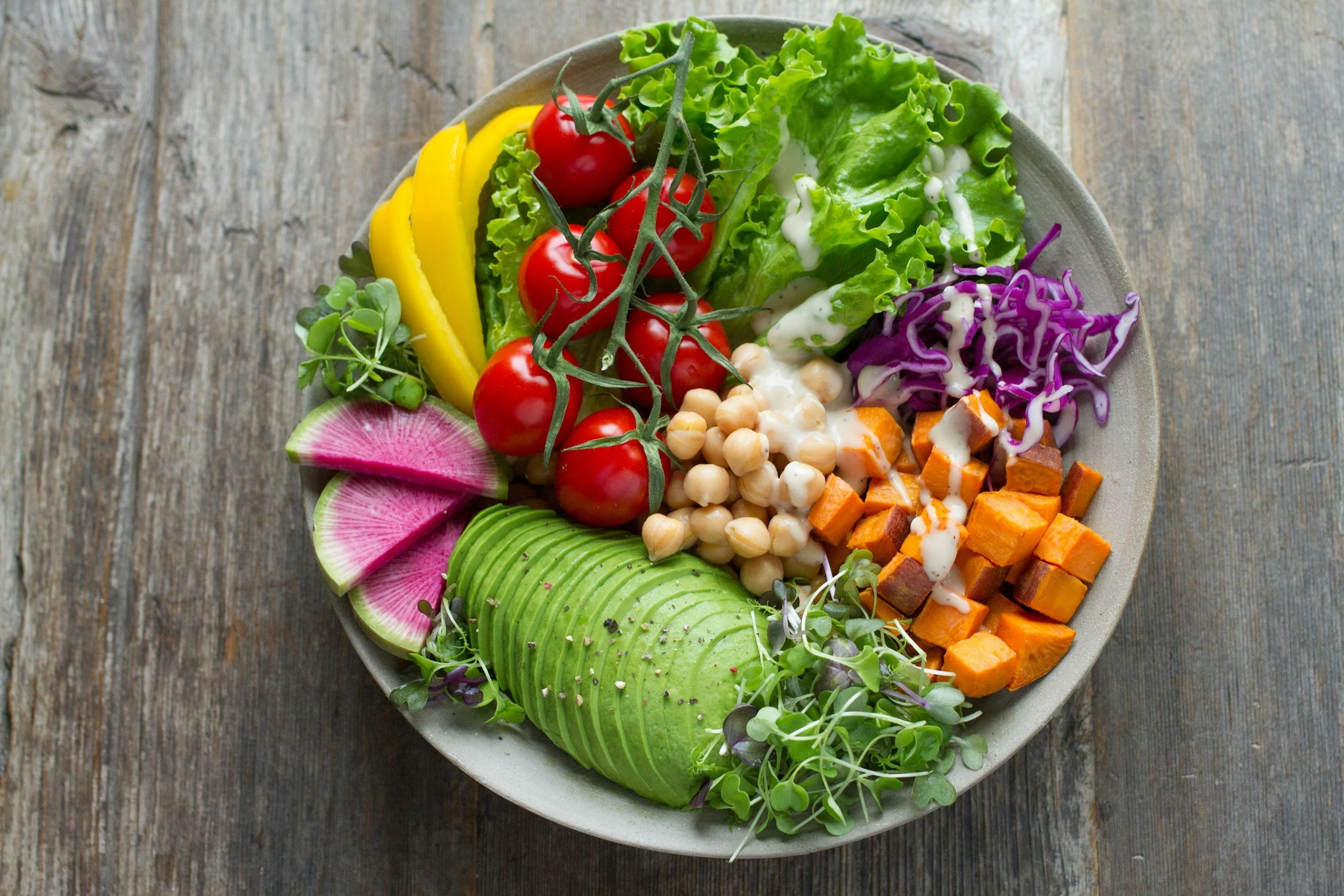
These aren't rules. They're starting points. Your body is different from mine, and the beauty of a food-curious approach is that you get to find out what actually works for you.
Start your day with protein
If there's one thing that consistently makes a difference on my CGM data, it's what I eat first. Aiming for some protein in your first meal of the day helps lay a stable foundation, supporting satiety, reducing the likelihood of a steep glucose rise, and keeping energy more even throughout the morning.
Eggs, Greek yoghurt, smoked salmon, leftover chicken, all good options. The goal isn't perfection; it's simply making protein the anchor of that first meal.
Choose whole, nutrient-dense foods
This one is less about a specific hack and more about a general direction of travel. Whole foods, minimally processed, close to their natural state, tend to behave very differently in the body compared to highly processed alternatives.
They come with fibre, micronutrients, and natural buffers that help slow digestion and support a gentler glucose response. Think vegetables, legumes, quality proteins, nuts, seeds, and whole grains. Not a revolution, just a consistent shift.
Be curious about added sugars
Rather than thinking of added sugar as something to fear or forbid, it helps to simply become more aware of where it's showing up. It has a way of sneaking into things we'd never expect, sauces, dressings, yoghurts, breads. Artificial sweeteners are just as harmful.
The suggestion here isn't to eliminate sugar entirely (life is for living), but to save it for the moments that genuinely feel like a treat, like the ice cream I had after Pilates yesterday, rather than consuming it unconsciously throughout the day.
Fill your plate with colour
Non-starchy vegetables are one of the most effective tools we have for supporting metabolic balance, they also happen to be delicious. Try to include a variety of colours with every meal, aiming for vegetables to take up at least half your plate.
Yes, even breakfast. A handful of spinach with your eggs or some sliced cucumber alongside your smoked salmon counts. The fibre and phytonutrients in colourful vegetables help slow glucose absorption and feed your gut microbiome at the same time.
Think about the order you eat your food
This one genuinely surprised me when I first started experimenting with it - and my CGM data confirmed it. The sequence in which you eat the components of a meal can influence how your glucose responds, even when the meal itself stays exactly the same.
Try starting with your vegetables and protein before moving on to any starchy elements, bread, or fruit. Fibre and protein eaten first act as a kind of buffer, slowing the digestion of carbohydrates that follow. It's a small change that costs nothing and takes no extra time.
Don't eat your carbs on their own
Carbohydrates eaten alone, a piece of fruit on an empty stomach, crackers as a standalone snack, toast with nothing on it tend to produce a faster glucose rise than the same food eaten alongside protein, fat, or fibre.
Dressing your carbs doesn't mean loading everything with cheese (though sometimes that's exactly right). It means pairing a banana with almond butter, adding avocado to your toast, or having a few walnuts alongside your apple. Small combinations, noticeably different results.
Stay hydrated
Hydration is so often overlooked in conversations about metabolic health, but it matters more than most people realise. Even mild dehydration can affect the body's ability to regulate glucose effectively.
Water is always the best starting point. If you find plain water hard to drink consistently, unsweetened electrolytes can make it more appealing without introducing sugar into the equation. Beware of artificial sweeteners. Aim to drink regularly throughout the day rather than catching up in big gulps.
Move after meals
Even a five-minute walk after eating can make a meaningful difference to your post-meal glucose response. Movement helps your muscles use glucose directly, which reduces the amount circulating in your blood.
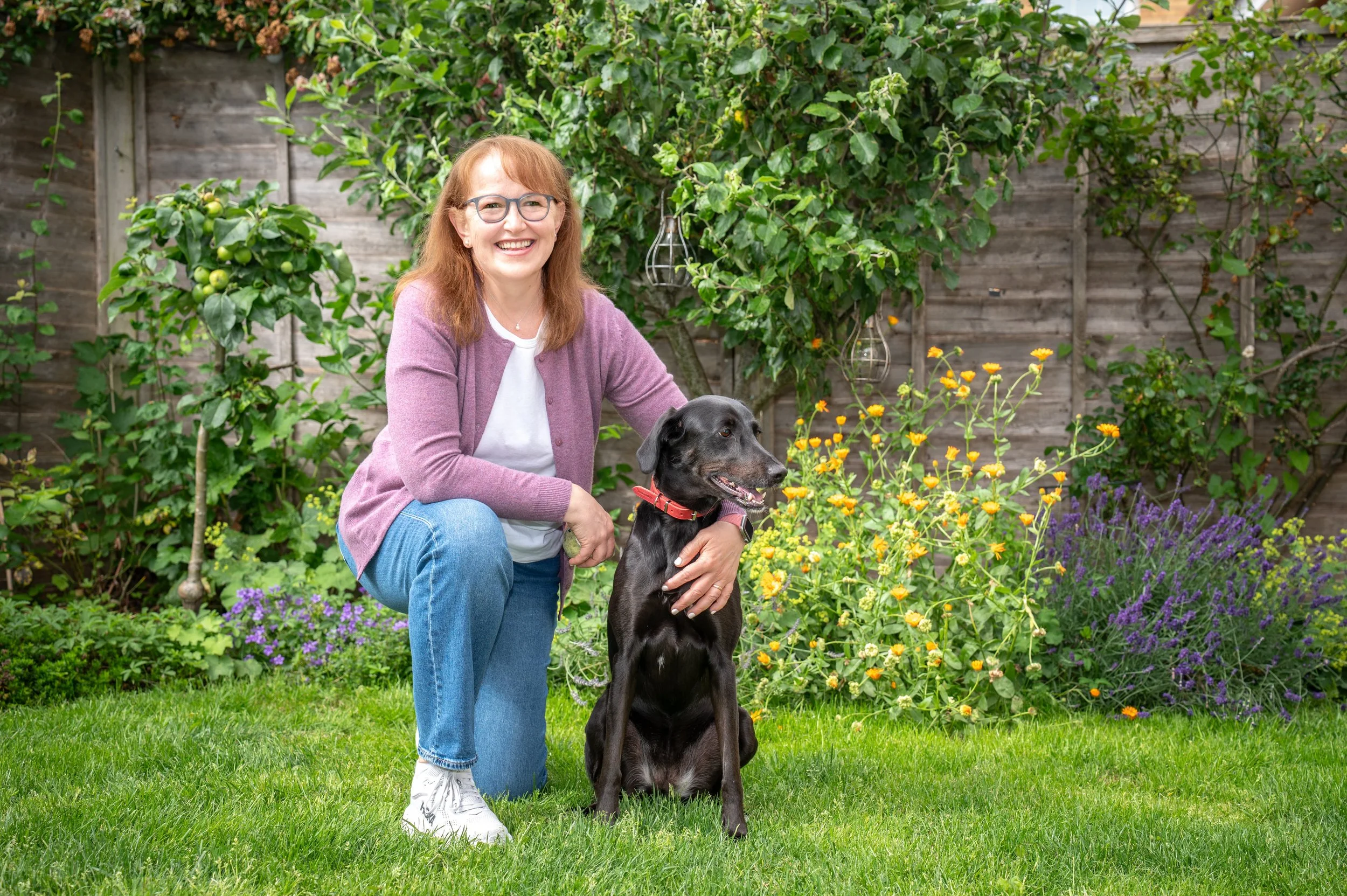
This is one of my favourite habits, partly because the evidence for it is genuinely strong, and partly because a short walk after dinner feels like a pleasure rather than a prescription. My dog, Phoebe certainly approves. Unless it is pouring down!
Where to start?
If all eight feel like too much at once, pick one. Maybe it's protein at breakfast. Maybe it's a walk after dinner. Try it for a week, notice how you feel, and build from there.
Metabolic health isn't a switch you flip. It's a relationship you build with your own body, one meal and one small choice at a time.
At the Metabolic Kitchen Diaries, this is exactly what we help you to do through our carefully curated Metabolic Meal Plans, 1:1 Consultations and Free Resources.
IMPORTANT NOTICE
The content shared by The Metabolic Kitchen Diaries is for general educational and informational purposes only. I am not a doctor, registered dietitian, or medical professional. Everything shared here is based on personal experience, self-experimentation, and publicly available nutritional research. Nothing on this platform constitutes medical advice, diagnosis, or treatment. Please consult your GP, oncologist, or a qualified healthcare professional before making significant changes to your diet, especially if you have a health condition, are undergoing treatment, or take regular medication. Every body is different. What works for one person may not work for another. The Metabolic Kitchen Diaries encourages individual experimentation, curiosity, and self-awareness — with professional guidance where appropriate.
The Metabolic Kitchen Diaries · www.metabolic.kitchen · @themetabolickitchendiaries