
Why Weight Loss Has to Start in the Kitchen
I've been sitting with a really interesting article this week, published by Signos (Why Weight Comes Back After GLP-1s & How to Prevent It), and I wanted to share my thoughts. Reading it felt like a mirror held up to my own journey, just from a very different angle.
For the past four years, I exercised. A lot. I was consistent, I was committed, and I genuinely loved moving my body. But the scale? It barely moved. I'd step on it after weeks of effort and it would stare back at me with the same number, unmoved, almost mocking. What I didn't fully understand then was that exercise alone, without changing what I was eating, was never going to shift the deeper picture. My body was working hard. But it was working on a foundation I hadn't yet addressed: food.
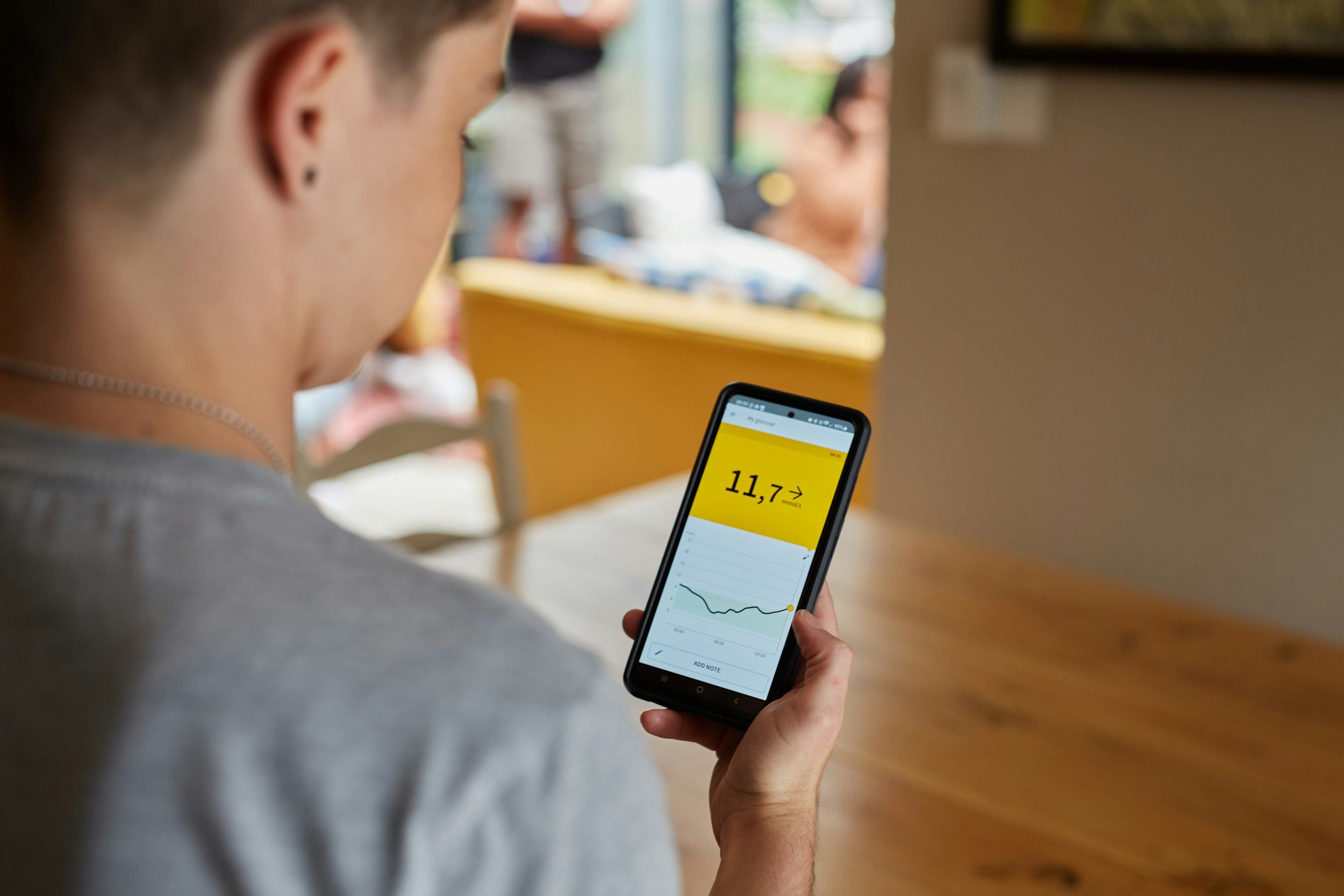
That changed when I started paying real attention to how I eat. Not how little, but how. Since moving to a metabolically balanced way of eating and using a continuous glucose monitor (CGM) to watch my body's response in real time, I've lost 6kg in the past 5 months only, without drama, without hunger, without anything that feels like a diet. The weight is coming off slowly and steadily, and what I find genuinely extraordinary is that my skin seems to be keeping up. It's not floppy or loose, it's as if my body is shrinking into itself in the most natural, healthy way. I suspect that's what happens when weight loss is gradual and the body actually has time to adjust. I fit in my favourite jeans again!
I am not on GLP-1 medications. Not Ozempic, not Wegovy, not any of the drugs that have dominated health conversations for the past few years. But the Signos article made me think deeply about why my approach seems to be working, and what the research around GLP-1s actually reveals about what the body needs long-term.
So what are GLP-1s, and why do they work?
GLP-1 is actually a hormone your body already makes after every meal. It tells your pancreas to release insulin and slows digestion, helping you feel fuller for longer. The drugs, semaglutide and tirzepatide, are synthetic versions that stay in the body much longer than the natural hormone does.
Beyond the stomach, they also act on the brain. GLP-1 receptors are found in the brain's reward system, the dopamine circuitry that drives motivation and cravings. This is why many people on these medications report that the constant mental preoccupation with food, what researchers call "food noise" simply quietens down.
And they do work. Millions of people have lost meaningful weight on them. But here's where it gets complicated.
What happens when you stop?
A study of more than 125,000 patients found that over half stopped taking GLP-1 medications within a year, often due to cost, insurance, or side effects. And when people stop, three things tend to happen at once.
Hunger comes back, sometimes with a vengeance. The metabolism may be running slower than before (this is true of any weight loss, not just GLP-1s). And the emotional relationship with food, which was essentially muted by the medication, returns, without any new tools to manage it.
One trial found that people regained around two-thirds of the weight they had lost within a year of stopping semaglutide. That's a painful statistic, and it's not a moral failing, it's biology.
What actually works for the long term, with or without medication
This is the part of the article I found most affirming, because it maps almost perfectly onto what I've been doing naturally.
The research points to a few key things. Protecting muscle mass matters enormously; up to 40% of weight lost on GLP-1s can come from lean muscle, which is metabolically active tissue, meaning you burn fewer calories at rest when you lose it. Resistance training and adequate protein are the antidote. Getting to know your glucose, understanding which foods cause spikes, crashes, and the cravings that follow, is also highlighted as a small habit with a real payoff.
And then there's the exercise finding that I loved: regular exercise appears to increase your body's own natural post-meal GLP-1 response by around 25%. In other words, moving your body helps your body produce more of the very hormone these drugs are mimicking. That blew my mind a little.
Why I'd choose my approach every time
I genuinely have compassion for everyone who has turned to GLP-1 medications. Weight loss is hard. The emotional weight of trying and not succeeding for years is real and exhausting. If medication helps someone find a foothold, that's not a failure, that's human.
But for me, what's working is the slow, food-led, metabolically conscious approach. A CGM gives me immediate, honest feedback that no number on a scale ever could. I can see exactly how my body responds to what I eat, when I eat it, and how I combine foods. It removes the guesswork and replaces it with curiosity.
If you don't have access to a CGM, and many people don't, and that's completely fine, you can still do this. It just requires a little more patience and body awareness. Pay attention to how you feel two hours after a meal. Are you energised or crashing? Satisfied or already searching the cupboards? Your body is already giving you signals. A monitor just makes them visible.
What I'm experiencing isn't a dramatic intervention. It's not a chemical shortcut, and it's not a restrictive programme. It's a relationship with food that finally makes sense. And the weight? It's leaving quietly, organically, on its own terms.
That, to me, is the long game worth playing.
IMPORTANT NOTICE
The content shared by The Metabolic Kitchen Diaries is for general educational and informational purposes only. I am not a doctor, registered dietitian, or medical professional. Everything shared here is based on personal experience, self-experimentation, and publicly available nutritional research. Nothing on this platform constitutes medical advice, diagnosis, or treatment. Please consult your GP, oncologist, or a qualified healthcare professional before making significant changes to your diet, especially if you have a health condition, are undergoing treatment, or take regular medication. Every body is different. What works for one person may not work for another. The Metabolic Kitchen Diaries encourages individual experimentation, curiosity, and self-awareness — with professional guidance where appropriate.