The Small Habits That Quietly Shape Our Health
There's a version of healthy living that looks like a complete overhaul, new regime, new rules, shelves full of supplements. I've never seen it last, in my own kitchen or anyone else's.
What does last, in my experience, is smaller. Almost embarrassingly small. The habits that have shaped my health most aren't the dramatic ones; they're the quiet ones I barely notice doing any more. So today's diary entry is a collection of them: the little things that make eating well and feeling steadier simpler, on ordinary days, when motivation is nowhere to be found.
As always: every body is different. Treat this as a menu of experiments, not a set of rules. Pick one, try it for a week, and notice how you feel.
The walk you don't feel like taking
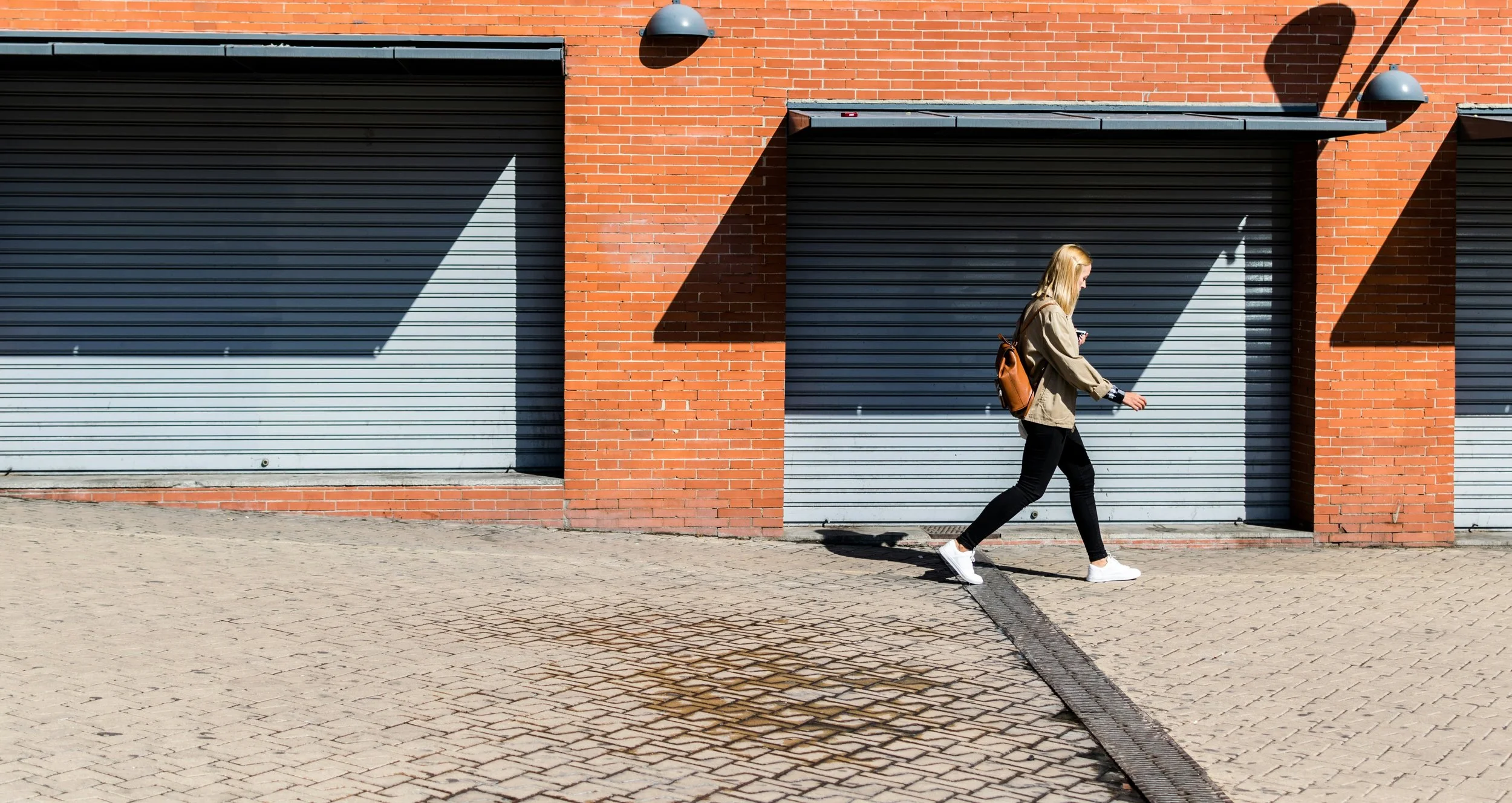
Let's start with the honest bit: some days it's genuinely hard to find twenty or thirty minutes for a walk, let alone a quick session at the gym. The diary is full, the kitchen needs clearing, and the sofa & TV make a very persuasive argument.
And yet, I have never once regretted going. A gentle walk after dinner, during a call or whenever the day allows, tends to leave me feeling steadier and clearer for the rest of the evening. It doesn't need to be brisk, tracked, or impressive. Around the block counts. Research suggests that regular movement, especially after meals, is associated with steadier energy for many people, but honestly, the feeling afterwards is evidence enough for me.
The habit that makes it happen isn't willpower; it's lowering the bar. I don't decide to exercise. I decide to put my shoes on. The rest usually follows.
Water, before you need it
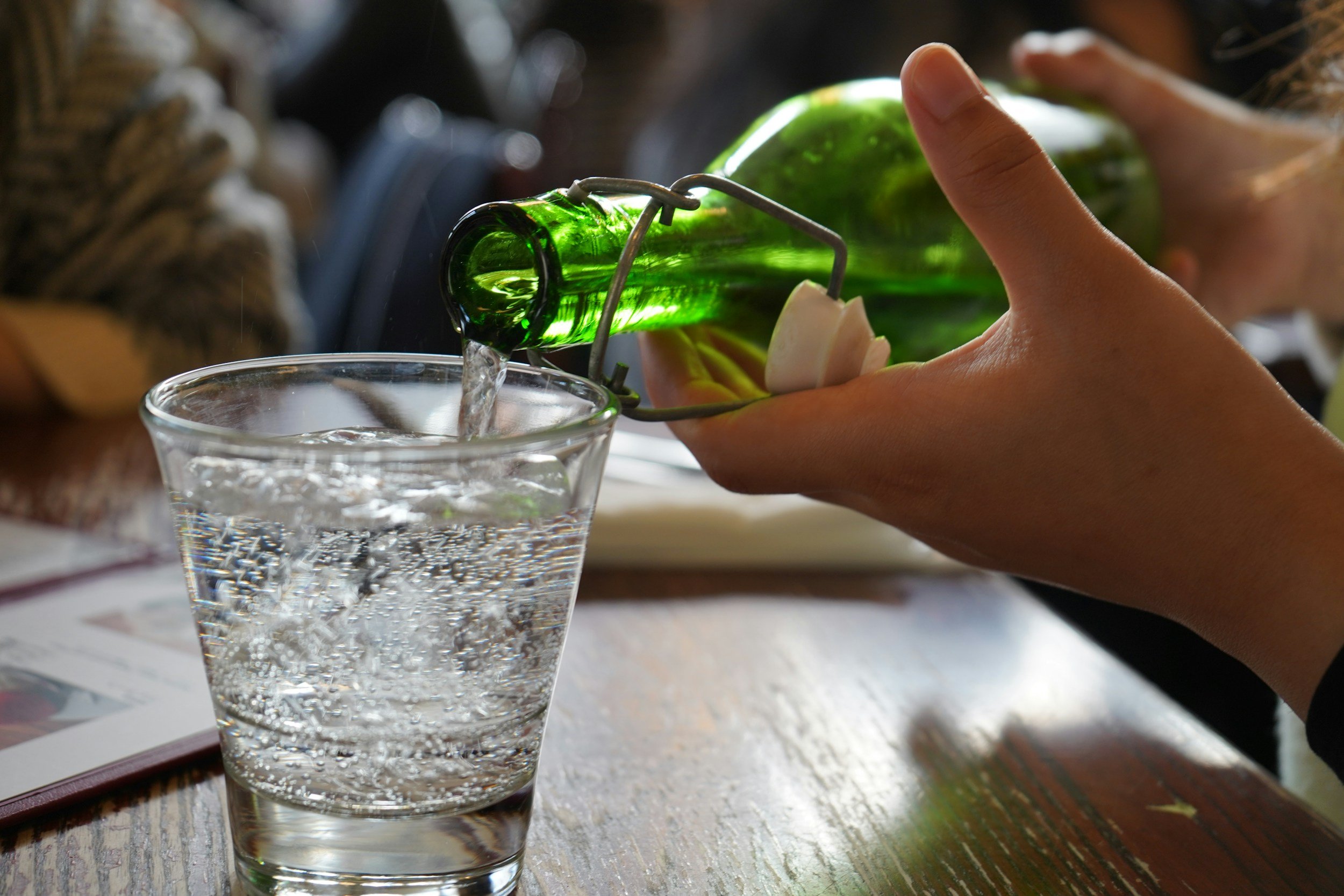
Hydration is the least glamorous and expensive habit on this list and possibly the most underrated. I notice it most when I get it wrong, the mid-afternoon fog, the "hunger" that turns out to be thirst.
What works for me is making water visible and effortless: a full glass first thing in the morning before anything else, a bottle that lives on my desk rather than in the cupboard, and a jug on the table at meals. I'm not counting litres, I'm just removing the moments where I'd have to go and fetch it.
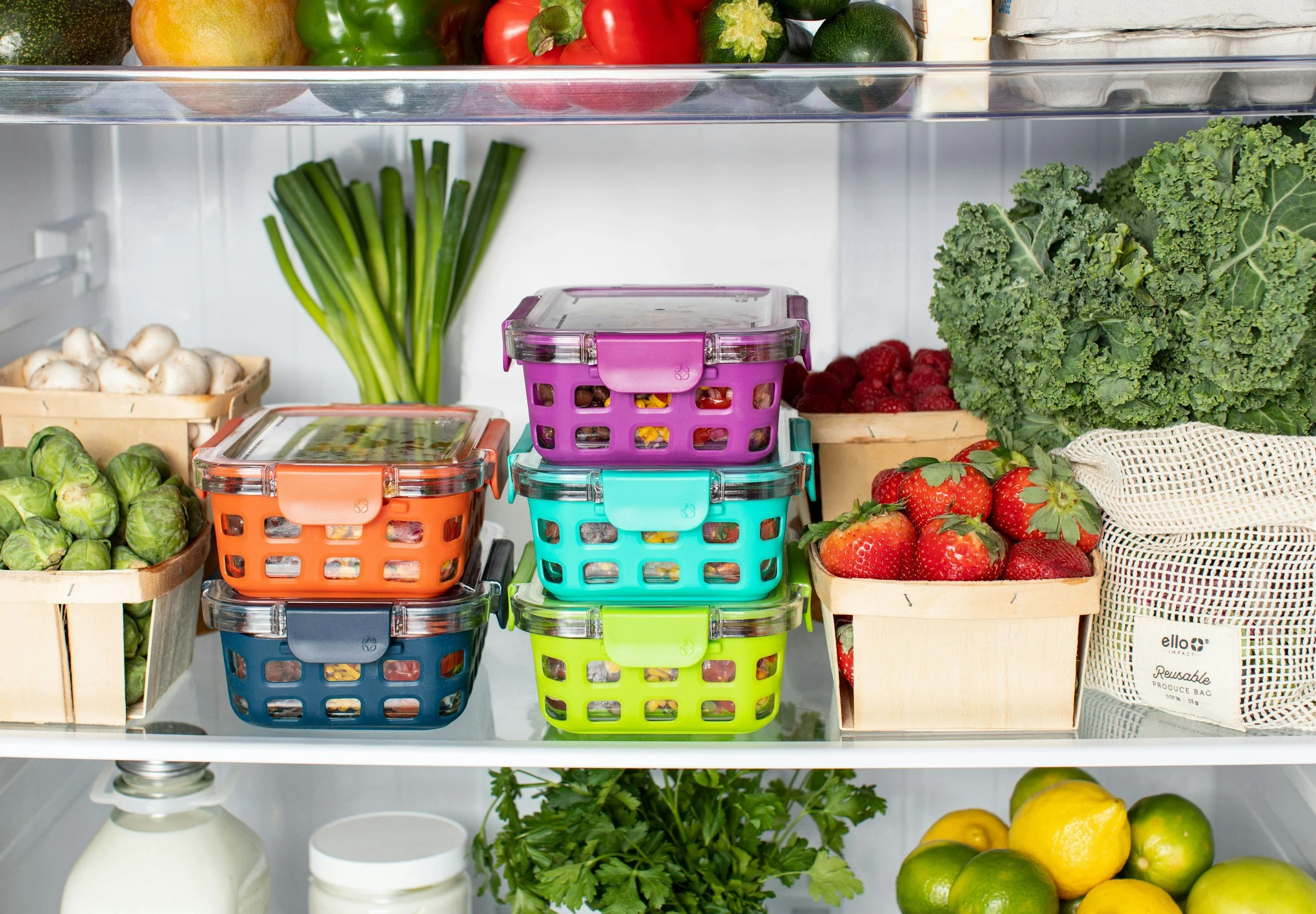
Here's the one that changed my kitchen more than any recipe: prepare your snacks before you're hungry.
The fridge that's on your side
When hunger arrives, we don't reach for what's healthiest, we reach for what's easiest. The biscuits win because they're ready and the vegetables aren't. So the trick isn't more discipline; it's changing what "easy" means in your kitchen.
Ten minutes of preparation, once or twice a week, and the fridge starts working for you:
Chopped bell peppers and carrot sticks with a pot of hummus: the classic, and still the one I make most. Crunchy, colourful, and ready the moment you open the door.
A batch of boiled eggs: six at a time, peeled or not, sitting in a bowl at eye level. Protein you can hold in one hand.
Greek yoghurt pots with berries and a scatter of nuts: portion a few small jars ahead so they're as grab-able as anything from a packet.
Cheese cubes or almonds with olives: a little savoury plate that takes thirty seconds to assemble if the components are already in the fridge.
Apple slices with nut butter: keep a jar of almond or peanut butter (just nuts, nothing added) within reach; slice the apple when the craving lands.
Small jars of mixed nuts and seeds: decanted once a week into little containers, so a handful is easy and the whole bag stays in the cupboard.
Roasted chickpeas: tossed in olive oil and paprika, roasted until crisp. They keep for days and scratch the crunchy, salty itch beautifully.
Here is a list of 34 snacks you can download and print out.
Notice the pattern: protein, healthy fats, and fibre, ready before you need them. That combination tends to keep me satisfied for hours rather than minutes, which is precisely what the biscuit tin can't offer.
(If you'd like a longer list, our free download of 35 metabolically balanced snacks lives on the website.)
The other small habits, little anchors for the day
A few more simple practices that have earned their place, because how we feel in ourselves shapes how we eat, move, and rest:
Stand up, often. If you sit for work, set a gentle nudge to get up every half hour or so, stretch, refill the water glass, walk to the window. Long unbroken stretches of sitting tend to leave me sluggish; the tiny interruptions add up to feeling brighter by evening.
Five to ten minutes of quiet. Call it meditation, call it sitting with a cup of tea and doing absolutely nothing, a short daily pause seems to take the edge off stress, and I notice I make calmer food choices on the days I've had it. Stress and snacking are old friends; a little stillness loosens that grip.
Morning daylight. Stepping outside for a few minutes early in the day, even a grey British sky counts, tends to set a better rhythm for my energy, appetite, and sleep. It pairs beautifully with the first glass of water.
A consistent wind-down. Nothing elaborate, just aiming for roughly the same bedtime and giving the last half hour to something slow. I eat noticeably better after a good night's sleep, and noticeably worse after a short one. The kitchen habits start the night before.
Call a good friend. This one surprises people on a food blog, but I stand by it. Connection is nourishment too. A proper chat with someone you love does something no snack can, and a settled mind reaches for the biscuit tin far less often.
Start with one
If you take one thing from this entry, let it be this: don't try to adopt the whole list. Choose the habit that feels easiest, genuinely easiest, not most impressive, and let it become boring before you add another. Boring, in my experience, is where the results live.
I'd love to hear which one you try first.
IMPORTANT NOTICE
The content shared by The Metabolic Kitchen Diaries is for general educational and informational purposes only. I am not a doctor, registered dietitian, or medical professional. Everything shared here is based on personal experience, self-experimentation, and publicly available nutritional research. Nothing on this platform constitutes medical advice, diagnosis, or treatment. Please consult your GP, oncologist, or a qualified healthcare professional before making significant changes to your diet, especially if you have a health condition, are undergoing treatment, or take regular medication. Every body is different. What works for one person may not work for another. The Metabolic Kitchen Diaries encourages individual experimentation, curiosity, and self-awareness — with professional guidance where appropriate.