And why Italy was only ever going to be the first stop …
Before anything else, it's worth saying plainly again what we mean by metabolically balanced eating, because it is far simpler than it sounds. It means nourishing the body with the right balance of protein, healthy fats, fibre-rich carbohydrates and colourful vegetables at each meal, what we call the PFF framework, while also giving a thought to portion sizes, meal timing, hydration, minimally processed foods and your own preferences and lifestyle.
It considers the order things arrive in, too: vegetables, protein and fat before the starchier parts of the plate, which is a habit many people find leaves them with steadier energy afterwards. It is not restrictive dieting and it is not calorie counting. There are no numbers to chase and no foods to fear. It is simply meals built so that energy tends to arrive steadily and stay a while, and a growing curiosity about what that steadiness feels like in your own body.
Why we started with Italy
When we decided to show what this way of eating actually looks like across a whole cuisine, not just one recipe at a time, but a full table, from starters to dessert, there was only ever one place to begin.
Italian food is, for most of us, the food of happiness. It is what we cook to celebrate, to comfort, and to gather people around a table. It is also the cuisine most often written off as "off limits" the moment someone starts paying attention to how food makes them feel. That felt like exactly the wrong story to leave standing.
So we set ourselves a test, and a rule. The test: work through a proper selection of Italian dishes, course by course: antipasti, zuppe, pasta, poultry, beef and veal, pork, lamb, fish and seafood, vegetarian mains, contorni and dolci, and ask honestly of each one whether it is already metabolically balanced. The rule: change as little as possible, and never at the cost of pleasure.
We approached it with real humility. This is a cuisine refined over centuries by people who knew exactly what they were doing. Our job was not to improve it.
The surprise: how little rescuing was needed
The lovely shock of the whole project was how much of it was already metabolically balanced.
A bistecca served over white beans and bitter greens. A pot of mussels with garlic and parsley. A slow Sunday ragù. An artichoke braised in olive oil. Vitello tonnato. Insalata caprese, which needed precisely nothing done to it: mozzarella brings the protein and fat, the tomatoes bring fibre and colour, the olive oil rounds it out.
The antipasto table turned out to be the clearest example of all. Protein, good fats and vegetables, served before anything starchy arrives: that is food sequencing, and Italy has been doing it for centuries without ever calling it that. Same with the contorno: vegetables treated as their own proper course rather than an afterthought pushed to the side of the plate.
Much of Italy, it turns out, has been eating in metabolic balance all along. Sometimes adaptation just means noticing what a tradition already knew. The cookbook is available from here.
Where a gentle hand was needed
The dishes that did need attention almost all shared one thing: somewhere along the way, refined flour or sugar had become the platform everything else sat on. And in nearly every case, that platform was the least interesting part of the dish.
So we changed the platform and left everything else completely alone. A handful of moves did nearly all the work.
The sauce was always the point. Carbonara, bolognese, pesto, lamb ragù. Italy's great sauces are built on meat, eggs, cheese, nuts and olive oil, and they are magnificent as they are. We made them faithfully and served them over courgette ribbons, cauliflower grains, cabbage silk and spaghetti squash. Fibre where faster-release starch used to sit; everything you actually loved kept entirely intact.
Almonds where breadcrumbs stood. The golden crust of a Milanese cutlet and the crumb on a parmigiana are recreated with ground almonds and Parmesan. They crisp beautifully, and bring fat, fibre and protein along with them.
Ricotta, everywhere. It binds meatballs in place of soaked bread, replaces béchamel in the lasagne, turns soups and desserts protein-rich, and stars in gnudi, the centuries-old Tuscan dumpling that never needed pasta in the first place.
Beans where bread was. Ribollita, traditionally thickened with quantities of stale bread, is thickened here with blended cannellini instead. Same comfort, same body, more fibre and plant protein doing the work.
Savoury over sweet. Dry Marsala rather than sweet. Vinegar and fennel seed rather than sugary glazes. Caponata balanced with olives, capers and slow-cooked onion instead of added sugar. Depth of flavour, we found, was never really about sweetness at all.
Dessert was the course we were most nervous about, and it needed the least apology. Italian dolci are gentler than most to begin with; a little something sweet at the end of a long, well-balanced meal, usually built on dairy, nuts and fruit. We stayed exactly in that territory. Panna cotta with the sugar turned right down and the cream left entirely alone. Tiramisù rebuilt in a glass, espresso and mascarpone without the sponge fingers. Baked lemon ricotta, which is really cheesecake that has quietly forgotten its biscuit base. Amaretti, which were flourless all along.
And then there is pizza
Let us be clear about this, because we think it matters more than any recipe in the book: there is no version of a life well lived that excludes pizza in Naples, focaccia still warm from a Ligurian bakery, or gelato eaten slowly in an evening piazza.
These are some of the finest things human beings have ever made, and they belong in your life. The question was never whether, only how. Treat them as an occasion rather than a daily default, the way Italians largely do. Let a proper meal go first, so the focaccia arrives as a later chapter of the meal rather than its opening line. Save the sweet for the end, when it turns up in the company of everything else you've eaten. Take the passeggiata afterwards, that unhurried evening stroll is Italy's other great inheritance, and it asks nothing of you beyond a pleasant street.
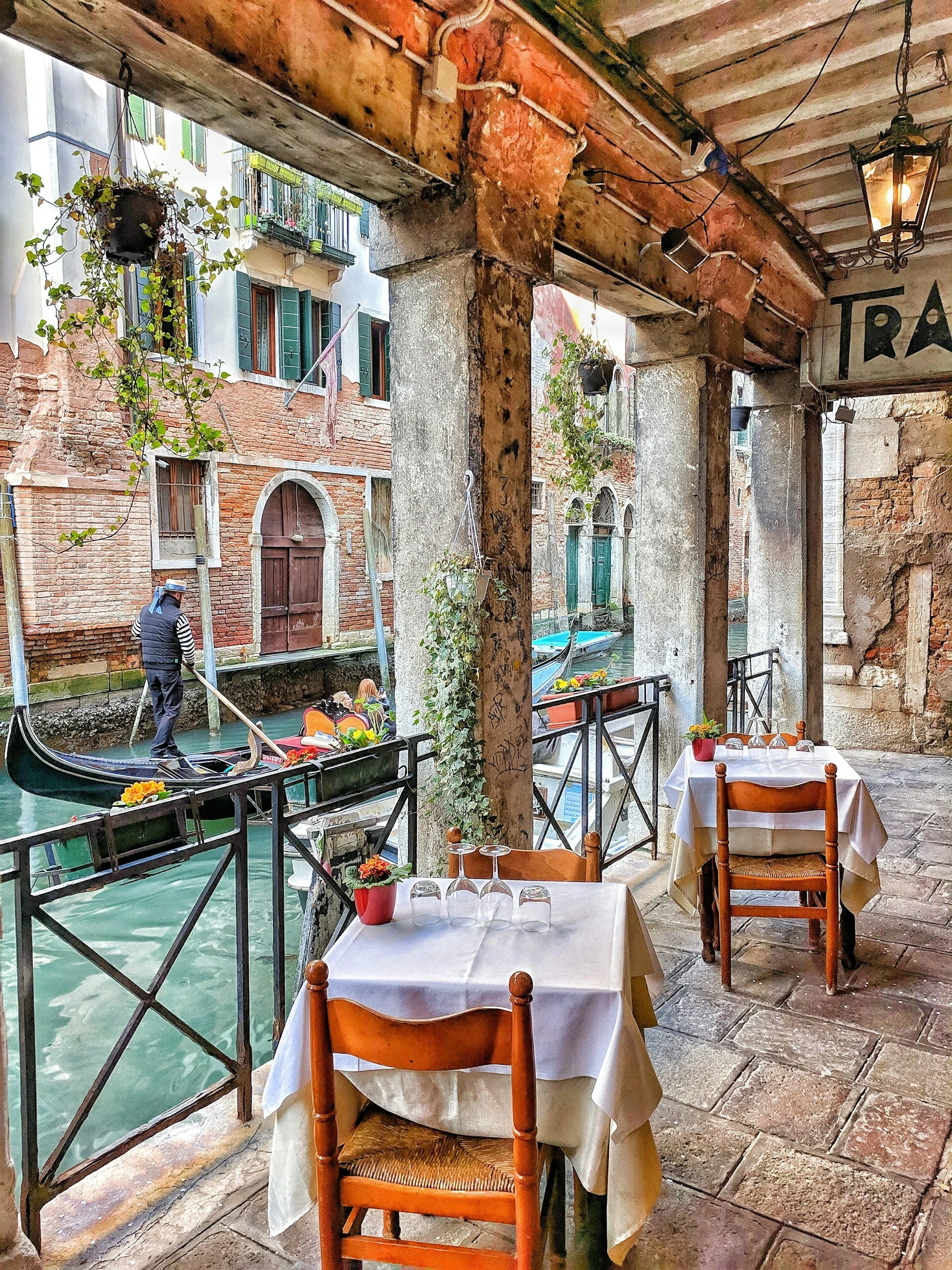
And afterwards, nothing. No compensating, no skipped meals, no stern words with yourself. The next meal is simply the next meal.
What we took away from it
We went looking for a cuisine to adapt and found one that mostly needed defending instead. That has changed how we approach every cuisine since: assume the tradition is wiser than you are, find the one element that has drifted, and touch nothing else.
Every recipe in the book carries a short note called Why it works, explaining the thinking in plain language, because the point was never for you to follow our recipes forever. It was for the principles to become instinct, so that soon you're adapting dishes we never thought of, in cuisines we haven't got to yet.
The cookbook is available from here.
Every body is different. Try it, notice how you feel, and make it your own.
Con affetto, from my kitchen to yours.
IMPORTANT NOTICE
The content shared by The Metabolic Kitchen Diaries is for general educational and informational purposes only. I am not a doctor, registered dietitian, or medical professional. Everything shared here is based on personal experience, self-experimentation, and publicly available nutritional research. Nothing on this platform constitutes medical advice, diagnosis, or treatment. Please consult your GP, oncologist, or a qualified healthcare professional before making significant changes to your diet, especially if you have a health condition, are undergoing treatment, or take regular medication. Every body is different. What works for one person may not work for another. The Metabolic Kitchen Diaries encourages individual experimentation, curiosity, and self-awareness, with professional guidance where appropriate.