
An Apple, a Walk, and Everything Else We've Learned So Far
Our free guide to metabolically balanced eating has seven parts, thirty-five snacks and ten Italian recipes. This is the short version: the principles we cook by, with the examples I wish someone had given me at the start.
Why we put our stakes on blood sugar
Glucose is the one part of your metabolism that answers back within the hour. A gentle rise after eating is normal. A steep climb and then a crash is what many people feel as the three o'clock slump, or hunger ninety minutes after breakfast. Over years, a pattern of big, frequent spikes is closely tied to insulin resistance, weight gain and the conditions that tend to follow it.
Studies using continuous glucose monitors on people without diabetes keep finding that two people can eat an identical meal and get quite different curves. So everything below is a starting point. Your body gets the final word.
Protein, fat, fibre: the PFF plate
Every meal and snack is built on protein, fat and fibre. Carbohydrates are welcome; they just shouldn't travel alone. Protein and fat slow the rate at which glucose arrives, so the rise is a hill rather than a cliff, and fibre slows it down too. So have eggs on the toast rather than jam, Greek yoghurt under the berries, and cheddar with the oatcakes.
What we don't do
No calorie counting. On an app, a small pack of crisps and a little bowl of almonds and olives can look much the same. The crisps have worn off before the packet is in the bin, while the almonds and olives are still working an hour later. When the plate is built on PFF, appetite becomes a reliable guide again: a palm of protein, vegetables as you like, and eat until you're satisfied.
No GI tables. The glycaemic index measures a food eaten alone, on an empty stomach, in a lab. On the published tables, watermelon scores higher than chocolate cake, and nobody sensible concludes that cake is the better snack. A baked potato eaten after a green salad, with butter and a piece of salmon, is a different thing from a potato on its own. We look at the whole plate.
No intermittent fasting. We don't prescribe eating windows or skipped meals. For many people, skipping breakfast turns into a ravenous eleven o'clock. We do suggest closing the kitchen at about the same time each evening, and if a longer overnight gap doesn't suit you, that's a perfectly good answer.
No "light" products, and yes to full fat. When the fat comes out of a yoghurt, something usually goes back in so it still tastes of something: sugar, starch or thickeners. Compare the ingredients of a low-fat fruit yoghurt with a plain full-fat Greek one. We cook with full-fat dairy, olive oil, butter, nuts and oily fish, because fat keeps you full and softens the curve.
Timing: the same apple, two different afternoons
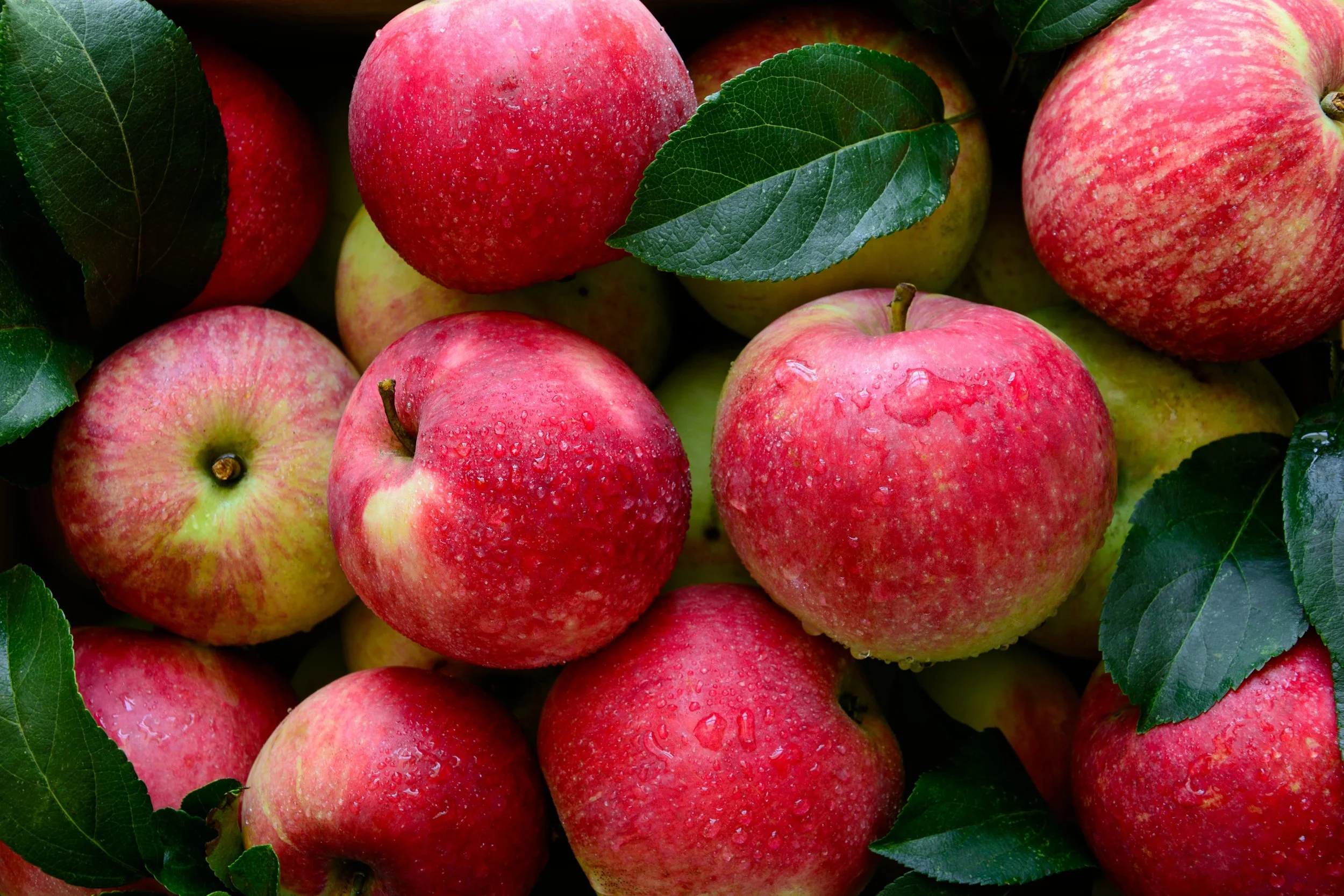
When you eat something can matter as much as what it is. Picture an apple eaten on its own at your desk at four o'clock. For many people that means a fairly quick rise and, an hour later, a rummage for something else. Now eat the same apple as you set off on a twenty-minute walk. Working muscles pull in glucose as it arrives, so the curve tends to stay much flatter, and you still get the fibre and the polyphenols in the skin. Or stay at the desk and add a slice of cheddar. Same fruit, gentler landing.
The same thinking applies elsewhere:
Order. Eat vegetables and protein first and starch last. In small studies, this order gave a noticeably lower peak than the same meal eaten starch-first. Italians have always done it: antipasti, then the contorno, then the rest.
Something sweet. Straight after a proper meal, not on its own mid-afternoon. Birthday cake after lunch and a stroll is not the same as a slice with tea at four.
Breakfast. Savoury rather than sweet. Try it for three mornings and notice how eleven o'clock feels.
Around the plate: water, movement, sleep, stress
Drink. Even mild dehydration may nudge glucose readings up. Have water or herbal tea through the day. Juice and smoothies behave more like sugar than like water.
Move. A ten- to fifteen-minute walk after your biggest meal is the most useful habit I know. Strength work helps too, because muscle takes up a large share of the glucose from a meal.
Sleep. Research suggests even one short night can leave the body less responsive to insulin the next day, which is partly why the biscuit tin gets so loud after a bad night.
Stress. Cortisol raises blood sugar with no food involved at all. Five minutes of slow breathing or a walk without your phone counts.
A lifestyle, not a crash diet
Crash diets tend to work for a few weeks, and then for most people the weight and the old habits come back together. We're aiming for something you're still doing in a year. So make one change at a time. Add protein or fat to every meal for a week, then swap one refined carbohydrate a day, then add the walk. Stay on each step until you do it without thinking.
And no good life leaves out pizza or pasta. Let a salad go first, take a stroll afterwards, and then don't compensate. The next meal is simply the next meal.
With or without a sensor
You don't need a glucose monitor for any of this. Keep a diary for two weeks, even three words a day, and watch for the afternoon slump softening and the cravings quietening. If you do wear one, treat it as a magnifying glass: fascinating, sometimes humbling, and easy to misread on your own.
The part nobody prints on the label
There is some self-discipline in all of this, and I'd rather say so. Choosing eggs over cereal on a rushed Monday or getting up for the walk when the sofa is calling isn't heroic, but it does ask something of you.
What surprised me is where it leads. Repeat a small choice for long enough and it stops feeling like discipline and starts feeling like self-respect. After my diagnosis, so much was out of my hands, but what went on my plate wasn't. Keeping those small promises gave me a steadiness that spread into other parts of my life. It gave me back control over myself. I suspect it can do the same for you.
Where to go next
The free guide is the long version, with the five levers, a food guide, six gentle weeks of first steps, 35 snacks and ten recipes. Free guide download
CGM Compass is there if you wear a sensor and want help reading what it's telling you.
Personalised meal plans and The Italian Kitchen, Metabolically Balanced are for when you'd like the cooking planned for you.
Your body, your curve. Start with one change and see what it tells you.
IMPORTANT NOTICE
The content shared by The Metabolic Kitchen Diaries is for general educational and informational purposes only. Everything shared here is based on personal experience, self-experimentation, and publicly available nutritional research. Nothing on this platform constitutes medical advice, diagnosis, or treatment. Please consult your GP, oncologist, or a qualified healthcare professional before making significant changes to your diet, especially if you have a health condition, are undergoing treatment, or take regular medication. Every body is different. What works for one person may not work for another. The Metabolic Kitchen Diaries encourages individual experimentation, curiosity, and self-awareness, with professional guidance where appropriate.
All rights reserved.