A few weeks ago I sat across from my oncologist and told him I'd lost 9 kg. Not through anything dramatic. I changed how I eat, kept up my exercise, and the weight came off slowly and stayed off.
He was delighted. "That is really, really good for you," he said, and I could tell he meant it.
I was pleased too. But on the drive home, a small thought kept nagging at me: why hadn't anyone told me to do that years ago?
Not one word about food
I've been living with cancer since 2018, and I've been lucky with the people who've looked after me. Kind, skilled, on my side. But in all those years, across private care and the NHS, not one oncologist or nurse has ever talked to me about how to eat. Not what to eat, not what to avoid, not whether it mattered at all. Meanwhile the internet was flooding me with information from every direction. Sugar feeds cancer. Sugar doesn't feed cancer. This vegetable is a miracle. That vegetable is a problem. Red wine, yes or no?
What I wanted was to hear it from the one source I actually trusted.
It took me until this year to work out, through my own testing and a lot of reading, how I want to eat and live. That's a long time. I'd like to save you some of it.
Why this happens
Here's what I've come to believe. Doctors are not withholding anything. They are simply too busy to think your situation through from scratch. In a twenty-minute appointment, with a waiting room full of people, the sensible thing is to apply the treatment that works for most patients, and move on. Even the best ones who care about you do this.
I noticed the same thing with a friend of mine who is a GP. We talked about my weight, and she said, kindly, that after a certain age, I could eat whatever I wanted or I could stay lean, it was my choice. Which is true, but it isn't advice. What I needed was for her to frame it around my health, not just my waistline. She might have, if I'd asked her to.
That's the whole point. If you don't do the research and ask the right questions, you get the standard answer. If you do, you often get a much better one.
What I do now
I keep everything in one folder. Scan reports, blood results, consultant letters, my current medication and the supplements I've cleared with the team, and my own notes on weight, energy and glucose. Plus a simple diary of what I eat and how I move. I call it my medical profile, and it goes with me to every appointment. If a new doctor needs my history, I can send it in five minutes instead of trying to remember it.
I ask one question before all the others. "If you were in my situation, what would you do?" I first asked it years ago, on a very hard day, and it changed the whole conversation. A list of options became a recommendation. A busy consultant became a person thinking about me. I've asked it at every important appointment since.
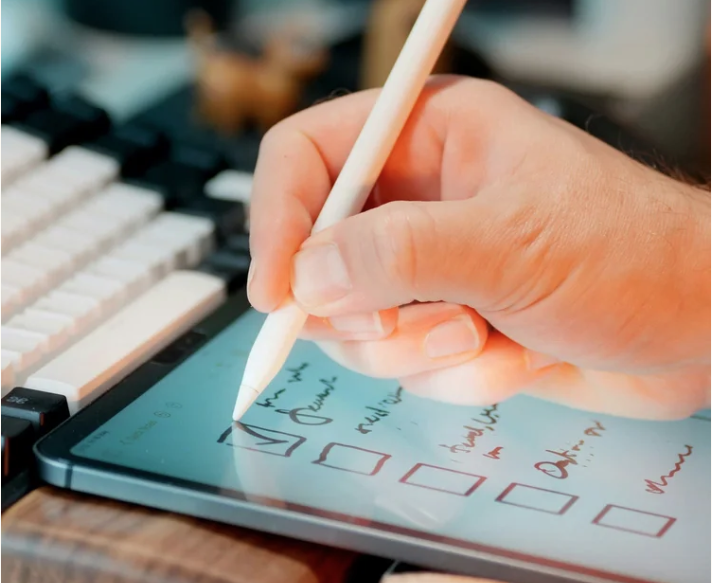
I write my questions down before I go. Printed, or on my phone. In the room, with a busy doctor and a lot going on, you forget half of what you meant to ask. Every time. If I can, I send the questions ahead to the team so nobody is caught off guard.
I bring someone with me. A second pair of ears always catches things I miss, and it's easier to take notes when you're not also the patient.
I ask about food and lifestyle every single time. What should I be eating? Is there anything I should avoid? Where am I right now in terms of weight, energy and overall health, from your point of view? And most importantly: how can I support this treatment with what I do at home?
I run the small things past them too. A new supplement, even a new face cream. It feels a bit silly asking, but it takes thirty seconds and it's saved me from a couple of things that would have clashed with my treatment.
One thing I want to be very clear about. Your medical treatment comes first. Always. Nothing I do in the kitchen replaces it. Food and movement sit alongside your treatment, supporting it, and the best person to tell you how is the one who knows your case.
So ask them. They probably haven't thought about it. But they will, if you bring it up.
I've put my appointment questions into a short checklist you can print or keep on your phone. You'll find it in the free resources section.
IMPORTANT NOTICE
The content shared by The Metabolic Kitchen Diaries is for general educational and informational purposes only. I am not a doctor, registered dietitian, or medical professional. Everything shared here is based on personal experience, self-experimentation, and publicly available nutritional research. Nothing on this platform constitutes medical advice, diagnosis, or treatment. Please consult your GP, oncologist, or a qualified healthcare professional before making significant changes to your diet, especially if you have a health condition, are undergoing treatment, or take regular medication. Every body is different. What works for one person may not work for another. The Metabolic Kitchen Diaries encourages individual experimentation, curiosity, and self-awareness, with professional guidance where appropriate.